In a world where energy bills seem to have a life of their own, LED lighting swoops in like a superhero, ready to save the day. These little lights pack a punch, offering bright illumination without the guilt of skyrocketing electricity costs. Who knew saving the planet could be so easy—and so stylish?
Overview of LED Lighting
LED lighting stands out due to its energy efficiency and longevity. These lights convert about 80-90% of energy into light, drastically reducing wasted energy compared to traditional incandescent bulbs. They commonly last between 15,000 to 50,000 hours, resulting in fewer replacements and less waste.
Indoor and outdoor applications benefit from LED lighting. In residential settings, LED lights enhance living spaces with various color temperatures and styles, making them versatile. Commercial spaces also leverage LED technology for cost savings, improved illumination, and reduced maintenance.
Sustainability plays a crucial role in the appeal of LED lights. Unlike incandescent bulbs, they contain no hazardous materials such as mercury, making disposal easier. Moreover, LED lighting contributes to lower carbon footprints by consuming significantly less electricity.
Cost savings from LED installations can be substantial. Homes using LED lighting often report up to 75% reductions in energy use compared to traditional lighting options. This efficiency translates into savings on energy bills, promoting both financial and environmental benefits.
Innovation within the LED sector continues to grow. Advancements in smart lighting technology integrate LEDs with smart home systems, allowing for customizable lighting experiences. Users control brightness levels and color changes remotely, further enhancing convenience and adaptability.
LED lighting combines efficiency, longevity, and sustainability. These aspects, along with technological advancements, position LEDs as a practical choice for modern consumers focused on cost savings and environmental responsibility.
Benefits of LED Lighting
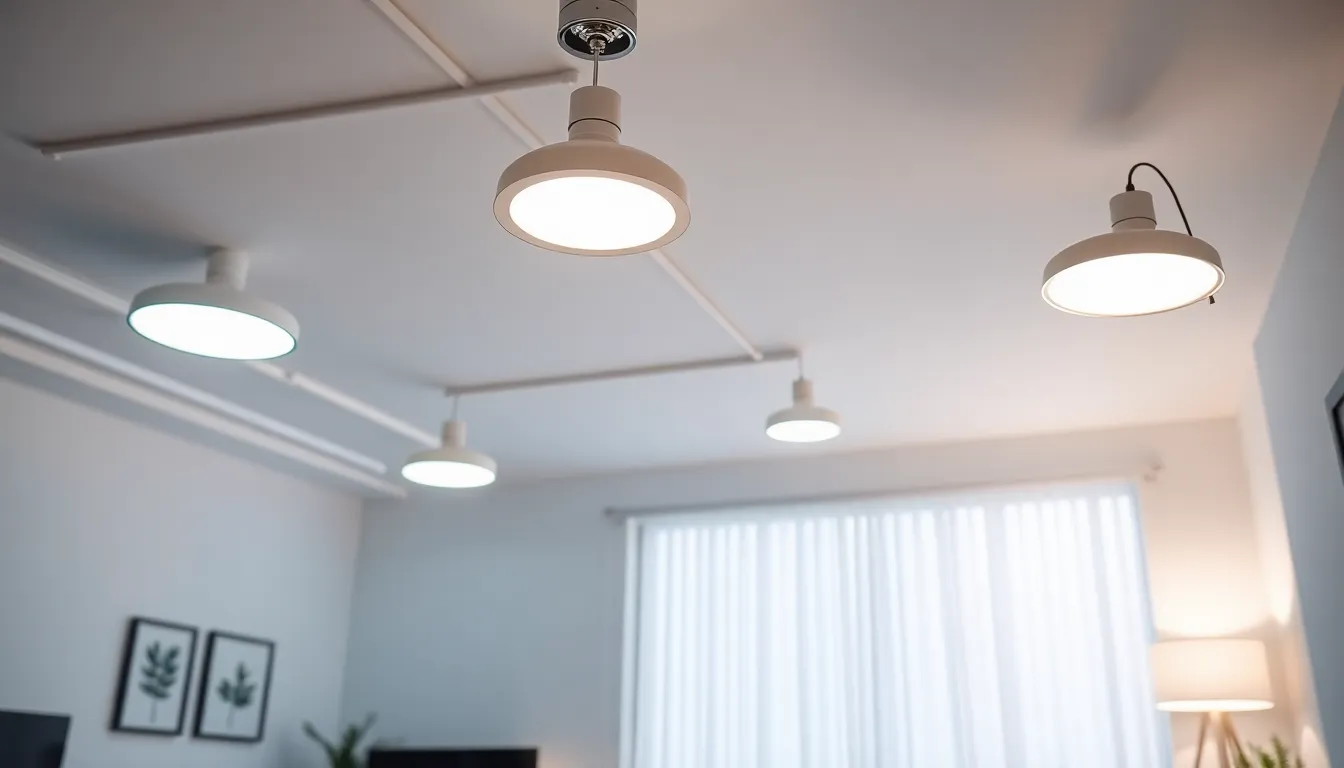
LED lighting offers numerous advantages that enhance both residential and commercial environments. These benefits include energy efficiency, longevity, and sustainability.
Energy Efficiency
Energy efficiency sets LED lights apart from traditional lighting sources. These lights convert 80-90% of energy into visible light, minimizing waste. Homes using LED lighting can achieve energy savings of up to 75%. This reduction translates into lower electricity bills and decreased environmental impact. LEDs consume less power while providing the same level of brightness, making them an ideal choice for eco-conscious consumers. Additionally, their low heat output reduces cooling costs in spaces. Optimizing energy use enhances overall sustainability, appealing to those focused on responsible resource management.
Longevity and Durability
Longevity and durability characterize LED lighting, with lifespans ranging from 15,000 to 50,000 hours. Unlike incandescent bulbs that burn out quickly, LEDs resist frequent replacements, cutting down on waste. Their solid-state design adds resilience, making them less susceptible to breakage. This durability also allows for consistent performance in various applications, from home settings to commercial spaces. Fewer replacements contribute to reduced maintenance costs, benefiting both homeowners and businesses. Overall, long-lasting LED lights emphasize practicality and convenience, making them a preferred option for modern lighting solutions.
Applications of LED Lighting
LED lighting finds extensive use across various environments due to its efficiency and versatility.
Residential Use
LED lights enhance home environments by providing bright illumination while reducing energy costs. Homeowners can choose from various styles and color temperatures that suit their decor. Achieving energy savings of up to 75% contributes to lower electric bills. With lifespans ranging from 15,000 to 50,000 hours, LED lights diminish the frequency of bulb replacements. Installing LED fixtures in living rooms, kitchens, and outdoor spaces creates a welcoming atmosphere without compromising on efficiency.
Commercial Use
In commercial settings, LED lighting significantly improves cost efficiency and workspace illumination. Businesses experience reductions in energy consumption, resulting in lower overhead expenses. The use of LED technology in offices, retail spaces, and warehouses enhances productivity and employee satisfaction. Various color options and brightness levels allow for customized lighting solutions that cater to specific needs. Additionally, the durability of LED fixtures limits maintenance costs, providing long-term financial benefits.
Outdoor and Street Lighting
Outdoor and street lighting applications benefit immensely from LED technology. These lights illuminate pathways, parks, and roadways while ensuring safety and visibility. Their low power consumption reduces energy expenditures for municipalities and property owners. Implementing LED street lights leads to a longer lifespan, averaging about 20 years, which lowers replacement frequency. Enhanced visibility also contributes to reduced crime rates and improved community security.
Comparison with Traditional Lighting
LED lighting stands out when compared to traditional lighting options. Its efficiency and longevity offer notable advantages.
Incandescent vs. LED
Incandescent bulbs produce light through heated filaments, consuming 60-100 watts on average. In contrast, LED lights generate the same brightness using only 8-12 watts. Lifespan differs dramatically; incandescent bulbs last about 1,000 hours while LEDs can last between 15,000 to 50,000 hours. This substantial difference lowers replacement frequency and waste. Furthermore, LED technology converts 80-90% of energy into light, enhancing energy efficiency and reducing power bills significantly. Homeowners can save up to 75% on energy costs simply by switching to LEDs. Overall, the clear efficiency of LEDs demonstrates a shift towards more sustainable practices.
Fluorescent vs. LED
Fluorescent bulbs operate by passing electricity through mercury vapor, typically lasting about 7,000 to 15,000 hours. LED lights surpass this longevity, providing 15,000 to 50,000 hours of light. Energy consumption represents another comparison point; fluorescent bulbs consume around 15-40 watts for similar brightness levels that LEDs achieve using 8-12 watts. Environmental impact also varies; LED lights contain no hazardous materials like mercury, simplifying disposal and promoting a cleaner ecosystem. In commercial settings, industry professionals see enhanced productivity due to superior lighting quality and lower energy costs. Switching to LED offers clear benefits for efficiency and sustainability in lighting choices.
Future of LED Lighting
Continued innovation defines the future of LED lighting. Smart lighting technology merges seamlessly with IoT (Internet of Things) systems, allowing users to customize their lighting experiences according to individual preferences. Integrating voice control and mobile apps enhances convenience for homeowners and businesses alike.
Energy efficiency remains a focal point, with research predicting improvements in LED technology that could further lower energy consumption. Expectations suggest that future LEDs may convert even more energy into light while maintaining their impressive lifespan of up to 50,000 hours. Such advancements in efficiency could lead to even greater cost savings for users.
Applications for LED lighting will expand significantly. Smart cities will leverage LED lighting for street illumination, smart traffic management, and enhanced public safety. Retail spaces could adopt dynamic lighting that adapts to customer behavior and enhances product visibility, driving sales and improving shopper experiences.
Advancements in color tuning technology will enable LEDs to create a broader spectrum of colors, offering designers and consumers new creative possibilities. Lighting that adjusts color temperature throughout the day can promote better mood and productivity among individuals in residential and commercial environments.
Collaboration among manufacturers, researchers, and tech innovators is critical for propelling LED advancements. Exploring sustainable materials and production processes fosters an eco-friendly approach to LED manufacturing while maintaining affordability for consumers.
Market trends indicate that LED adoption will continue to rise. As awareness of energy savings and environmental benefits increases, more households and businesses will choose LED solutions, solidifying their position as a dominant lighting technology.
LED lighting represents a significant advancement in energy-efficient technology. Its ability to provide bright illumination while drastically reducing energy consumption makes it an appealing choice for both homeowners and businesses. As the market continues to evolve with smart lighting innovations and sustainability initiatives, the adoption of LED solutions is likely to grow.
The long lifespan and low maintenance requirements of LED lights further enhance their attractiveness. With ongoing improvements in energy efficiency and design options, consumers can enjoy not only cost savings but also a more environmentally friendly lighting solution. Embracing LED lighting is not just a smart financial decision; it’s a step towards a greener future.