Have you ever tried lighting charcoal and ended up feeling like you’re wrestling with a stubborn toddler? You know, flinging around lighter fluid like it’s confetti, only to watch in frustration as your flames fizzle out? It doesn’t have to be this way. Lighting charcoal without lighter fluid not only keeps your barbecue more flavorful (goodbye chemical tastes.) but also makes you look like a grilling professional. Let’s explore how to ignite that charcoal like a pro, sans the lighter fluid shenanigans.
Why Avoid Lighter Fluid?
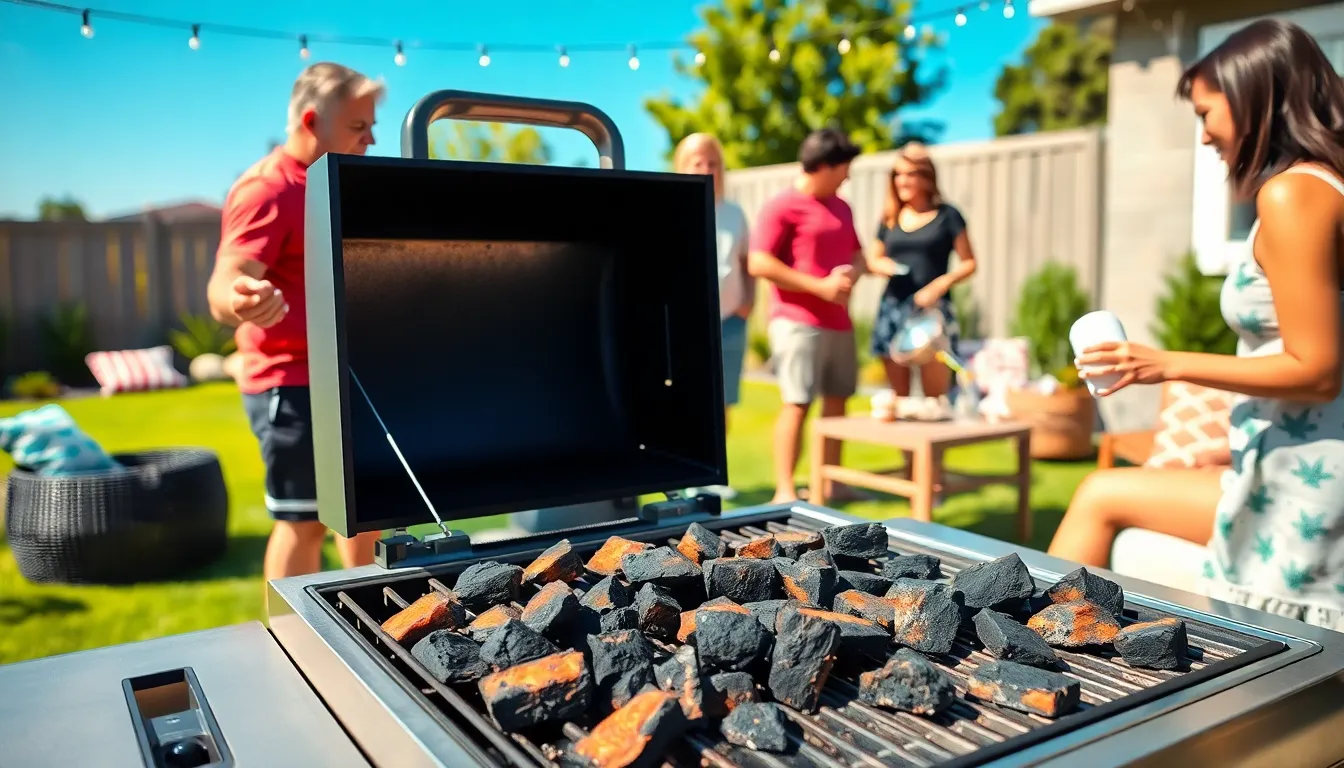
Using lighter fluid might seem like the easy way out, but it comes with some serious downsides. Firstly, the chemicals in lighter fluid can impart a distinct and often unpleasant flavor to your food. Nobody wants their perfectly seasoned steak tasting like a chemical experiment gone wrong.
Also, there’s the safety concern. Lighter fluid can be highly flammable and can cause nasty flare-ups if not used correctly. Plus, who wants to be that person at the barbecue who burns the eyebrows off their friends? Not a great look. Opting for alternative methods not only elevates your grilling game but keeps your food tasting just how it should, delicious.
Benefits of Alternative Methods
Choosing to light charcoal without lighter fluid presents a plethora of benefits. One of the most significant is flavor. Natural methods tend to keep food tasting pure and free from chemical residues. When you cook with cleaner processes, everything from chicken to vegetables tastes like it should.
Also, these alternative methods tend to be safer. Without explosive chemicals involved, there’s a lower risk of accidents, allowing for a more relaxed barbecue experience. Also, many of these techniques are cost-effective. By relying on items you probably have at home, or that are quite inexpensive, you’re saving money while impressing your grilling guests. So, ditching lighter fluid for a more traditional or innovative method could elevate not only the food but also your reputation as a grill master.
Materials You Will Need
Before diving into lighting techniques, gather the following materials:
- Charcoal: Choose between briquettes and lump charcoal, each has its pros and cons.
- A chimney starter: This handy device helps to ignite the charcoal without lighter fluid.
- Newspaper or kindling: Essential for creating that initial flame.
- Electric starter: If you prefer an electric method, have this on hand.
- Oil-soaked cotton balls or dryer lint: These serve as great fire starters.
- Grill tools: Tongs and a heat-proof glove for handling hot coals safely.
- Fire safe container: For any leftover ashes when you’re finished grilling.
Gather these items ahead of time to ensure a seamless process.
Techniques for Lighting Charcoal
There are several effective techniques to light charcoal without resorting to lighter fluid. Here’s a rundown of some of the top methods:
1. The Chimney Starter Method
Using a chimney starter is arguably the most popular and effective way to light charcoal. Simply fill the chimney with charcoal and place crumpled newspaper at the base. Light the paper, and within minutes, the coals at the top will ignite, sending heat down to ignite the others. It’s efficient and nearly foolproof.
2. The Newspaper Method
For those who want to keep things simple, the old-fashioned newspaper method can work wonders. Just ball up a few sheets of newspaper and place them under the charcoal in a mound. Light the paper, and voila. The flames will ignite the charcoal from below.
3. The Electric Charcoal Starter
If you’re looking for a hands-off approach, an electric charcoal starter could be your best friend. Simply place the starter among the coals, plug it in, and it heats up to ignite the charcoal in about 10 minutes.
4. The Oil-soaked Cotton Ball or Dryer Lint Method
Another clever DIY technique involves soaking cotton balls in vegetable oil or using dryer lint. Simply place these among your charcoal and light them up. The oil helps sustain the flame long enough for the charcoal to catch fire.
Experimenting with these methods can lead to some of the most straightforward and satisfying grilling experiences.
Tips for Successful Charcoal Lighting
- Choose Quality Charcoal: Not all charcoal is created equal. Look for brands that offer natural lumps for the best results.
- Be Patient: Once you’ve lit the charcoal, it may take 20 to 30 minutes to reach the ideal temperature. Resist the urge to poke at it: just let it do its thing.
- Ensure Proper Ventilation: Good airflow keeps the flames alive. Keep vents on your grill open to allow oxygen to fuel the fire.
- Avoid Overcrowding: When using coal, make sure not to pack too tightly: this can lead to uneven cooking.
- Monitor Temperature: Using a grill thermometer can be extremely helpful to keep track of the heat level.