When it comes to lighting maintenance, many people think it’s just about changing a bulb now and then. But let’s be real—keeping those lights shining bright is as crucial as finding the last slice of pizza at a party. A well-maintained lighting system not only enhances the ambiance but also saves energy and money. Who wouldn’t want that?
Importance of Lighting Maintenance
Lighting maintenance plays a vital role in optimizing overall performance in spaces. Attention to this aspect improves safety and efficiency significantly.
Enhancing Safety
Proper lighting ensures safety in homes and workplaces. Well-lit areas reduce risks of accidents, such as falls or injuries. Regular checks on fixtures and bulbs identify potential hazards. Test emergency lighting systems to confirm they function during power outages. Regular maintenance minimizes the likelihood of failures that could cause accidents. Keeping pathways illuminated contributes to a secure environment for everyone.
Improving Efficiency
Energy-efficient lighting systems save on electricity costs while maintaining brightness. Outdated bulbs consume more energy than modern alternatives. Regularly inspecting and replacing outdated equipment leads to energy savings. Adjusting lighting levels in accordance with usage patterns increases cost-effectiveness. Additionally, a well-maintained lighting system enhances the lifespan of bulbs and fixtures. Reducing frequent replacements cuts down on waste and promotes sustainability.
Common Lighting Issues
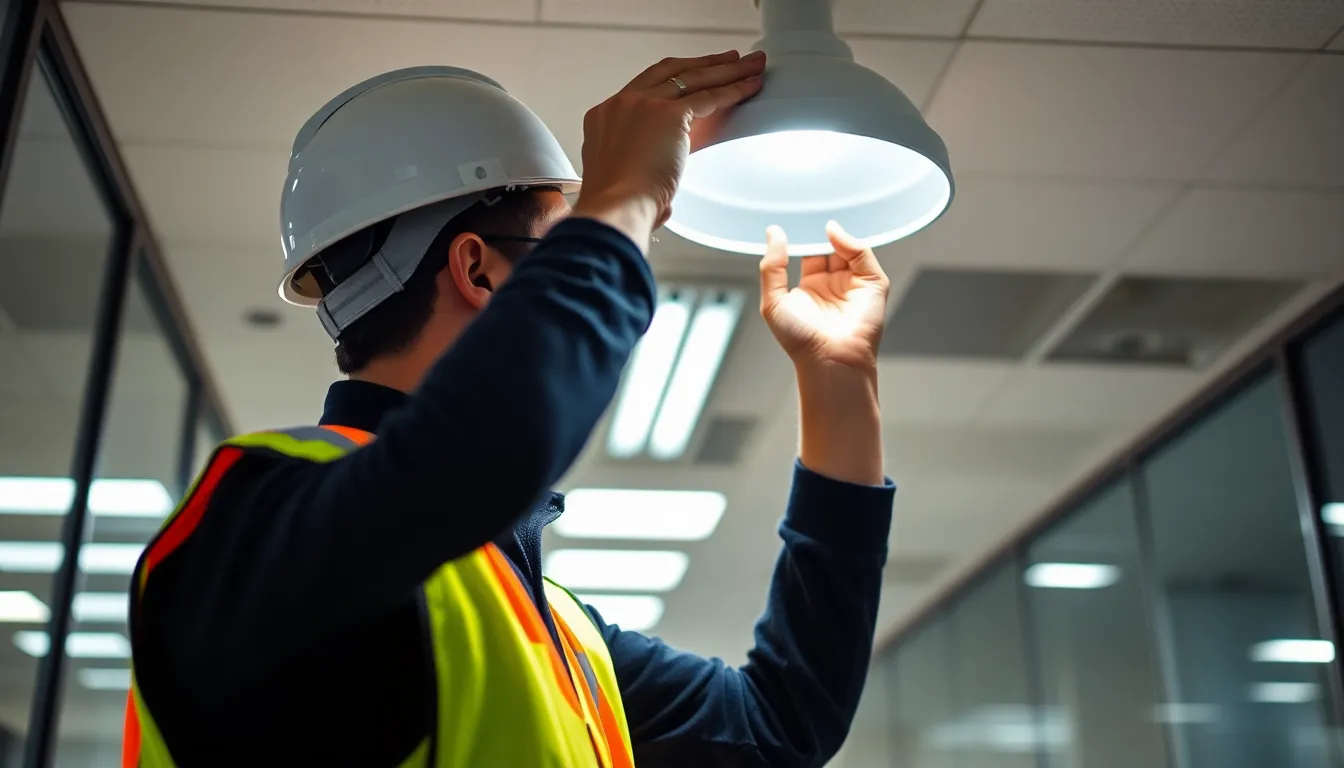
Common lighting issues can disrupt performance, safety, and ambiance. Addressing these problems promptly enhances both efficiency and sustainability.
Flickering Lights
Flickering lights often indicate loose connections or faulty bulbs. A simple adjustment to the fixture or socket may resolve the issue. Sometimes, the problem stems from power supply fluctuations, which can be addressed by checking circuit breakers or contacting an electrician. Regular inspections help identify potential problems early. Non-compliance with safety standards may also cause flickering, requiring immediate attention. The continuous flickering of lights can lead to distractions and discomfort in workspaces. Timely intervention promotes a better environment.
Burnt Out Bulbs
Burnt out bulbs necessitate timely replacement to maintain optimal lighting. Inspecting fixtures regularly can identify bulbs nearing the end of their lifespan. It’s crucial to choose the correct wattage for replacements to prevent damage to the fixture. Energy-efficient LEDs last significantly longer than incandescent bulbs, reducing the frequency of replacements. Checking for signs of wear or discoloration can provide insight into the overall health of the lighting system. Regular maintenance of this nature ensures safety and efficiency and minimizes waste associated with frequently changing bulbs.
Routine Maintenance Practices
Routine maintenance practices play a crucial role in ensuring lighting systems function effectively and efficiently. Regular attention to these systems reduces energy costs and extends the lifespan of lighting equipment.
Regular Inspections
Inspecting lighting systems regularly helps identify issues before they escalate. Technicians should check for flickering lights, which may signal loose connections or faulty bulbs. Inspecting the wiring and fixtures regularly ensures that any safety hazards are addressed promptly. Monthly checks can catch potential problems early, preventing costly repairs. Additionally, visual inspections enhance safety by confirming that all areas are adequately lit. Each inspection rounds off data collection on performance, aiding in future maintenance planning.
Cleaning Fixtures
Cleaning fixtures enhances light output and can improve energy efficiency. Dust and grime buildup on fixtures reduces illumination, leading to brighter bulbs being inadvertently used. Using a soft cloth or a mild cleaner, thoroughly wipe down fixtures to ensure maximum brightness. Regular cleaning intervals, such as every three months, promote longer bulb life. They also maintain the overall aesthetic appearance of the space. Inspecting lenses and reflectors during cleanings ensures no obstructions hinder light performance.
Advanced Maintenance Techniques
Effective lighting maintenance strategies enhance safety and efficiency in any environment.
Upgrading to LED
Upgrading to LED lighting significantly improves energy efficiency. These bulbs consume up to 75% less energy than traditional incandescent options. Longer lifespans, typically around 25,000 hours, mean less frequent replacements, reducing maintenance costs. Lower heat output also minimizes additional cooling costs. Transitioning to LEDs contributes to sustainability efforts by minimizing waste generated from burnt-out bulbs. Improved color rendering enhances visibility, creating a safer and more enjoyable atmosphere in both workspaces and homes.
Smart Lighting Systems
Smart lighting systems offer advanced control and energy management. These systems can be programmed to adjust brightness based on occupancy and natural light availability. Integration with mobile devices allows for remote adjustments, enhancing flexibility. Automated scheduling can ensure lights operate only when needed, saving costs and energy. Real-time monitoring alerts users to performance issues, facilitating proactive maintenance. Investing in smart technology leads to long-term savings and a more efficient lighting solution.
Lighting maintenance is a vital aspect of any well-functioning environment. By prioritizing regular upkeep and inspections, individuals can enhance safety and efficiency while enjoying substantial energy savings. Addressing common issues like flickering lights or burnt-out bulbs promptly ensures optimal performance and reduces the risk of accidents.
Investing in energy-efficient solutions like LED lighting not only prolongs the lifespan of fixtures but also significantly cuts down on maintenance costs. Embracing smart lighting systems further elevates the effectiveness of maintenance practices, leading to a more sustainable and cost-effective lighting strategy. A proactive approach to lighting maintenance ultimately contributes to a brighter, safer, and more efficient space.