Clogged drains can feel like the universe’s way of saying, “Surprise! Here’s a mini disaster for your day.” Whether it’s a slow sink or a shower that doubles as a swimming pool, these pesky blockages can turn a simple task into a slippery situation. Ignoring them might seem tempting, but trust us, that’s like putting off a dentist appointment—it’s only going to get worse!
Understanding Clogged Drains
Clogged drains pose significant challenges in daily life. Recognizing their causes and warning signs helps address issues promptly.
Common Causes of Clogged Drains
Hair often accumulates in shower or sink drains, leading to blockages. Grease and food particles commonly create clogs in kitchen sinks as they solidify. Soap residue also builds up over time, forming hard deposits that obstruct water flow. Foreign objects, such as toys or cotton swabs, can accidentally get lodged in pipes, blocking drainage. Tree roots infiltrate underground lines, causing serious interruptions in the plumbing system.
Warning Signs of Clogged Drains
Slow drainage serves as an immediate indicator of potential clogs in sinks and bathtubs. Unpleasant odors frequently arise from stagnant water due to blocked pipes. Gurgling sounds may occur when air becomes trapped in the plumbing system, signaling an issue. Water backups in sinks, showers, or tubs highlight existing drainage problems that require attention. Mold or mildew growth indicates prolonged moisture, which can stem from blocked drainage systems.
Prevention Tips for Clogged Drains
Taking proactive measures significantly reduces the likelihood of clogged drains. Preventing blockages involves practicing proper waste disposal and maintaining plumbing systems.
Proper Waste Disposal Practices
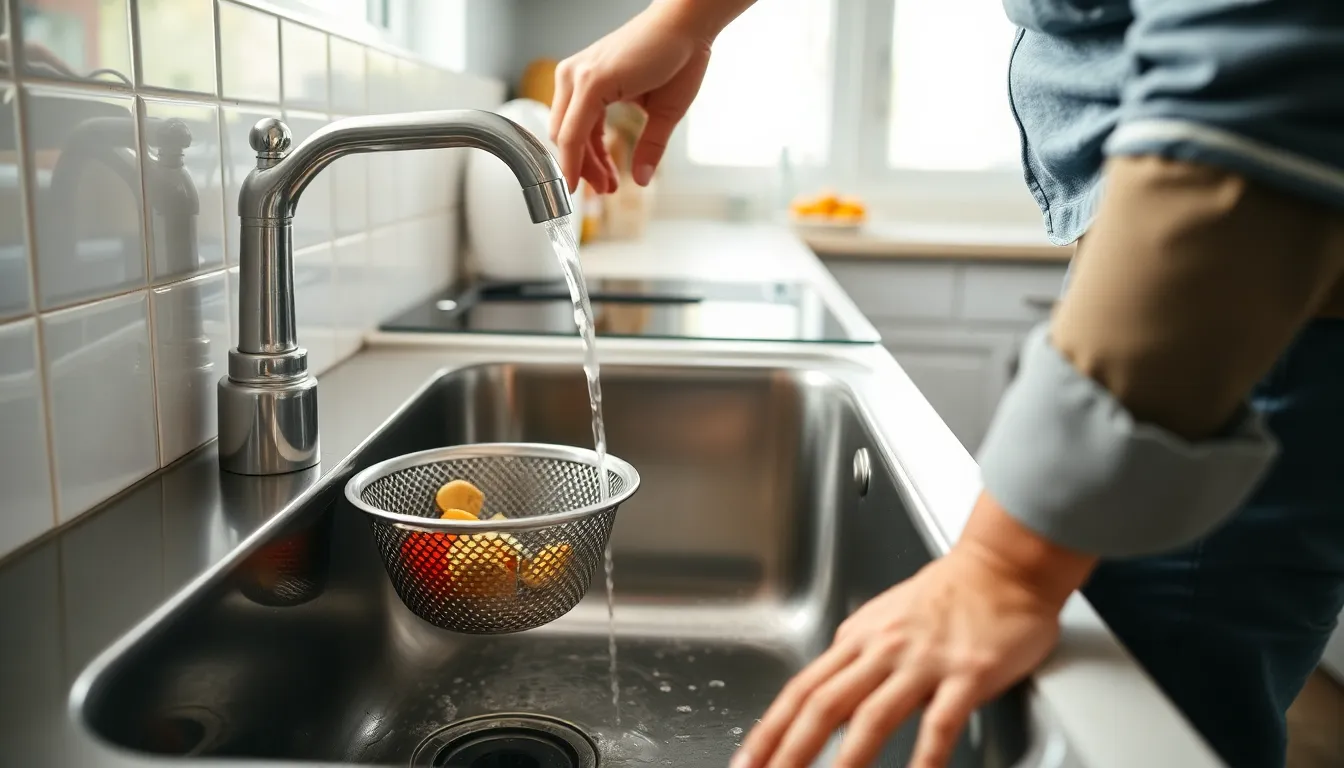
Dispose of food scraps in a trash bin instead of rinsing them down the sink. Place sink strainers over drains to catch hair and debris before they enter pipes. Avoid flushing non-biodegradable items, including wipes and feminine hygiene products, as they cause backups. Be mindful of what goes down the garbage disposal; fibrous vegetables, large bones, and grease should never enter. Proper disposal mitigates issues that lead to persistent clogs.
Regular Maintenance Techniques
Conduct regular inspections of drains to notice early signs of blockages. Pour hot water down sinks weekly to dissolve grease buildup. Use a mixture of baking soda and vinegar monthly to help break down deposits. Ensure that gutters and downspouts are clear to prevent water from overwhelming drainage systems. Regular maintenance promotes an efficient plumbing system and prevents larger problems from developing.
DIY Solutions for Clogged Drains
Clogged drains present everyday challenges, but simple DIY solutions can clear blockages effectively.
Using Household Items
Common household items serve as effective solutions for unclogging drains. Baking soda and vinegar create a powerful reaction that breaks down stubborn clogs. Pouring half a cup of baking soda followed by half a cup of vinegar into the drain initiates this process. Let the mixture sit for about 30 minutes, then flush it with hot water. Additionally, using salt and boiling water works well too; add half a cup of salt and follow with boiling water to help dissolve buildup. For minor clogs, a plunger or a drain snake can also dislodge debris easily, tackling hair or food particles quickly. These methods utilize materials often found around the house, offering quick remedies against minor blockage problems.
When to Seek Professional Help
Certain situations demand professional intervention, especially if DIY methods fail. A persistent clog that resists multiple attempts may indicate an issue deeper in the plumbing system. Frequent backups suggest underlying problems, possibly involving tree roots or damaged pipes. Unpleasant odors accompanying slow drainage often point to serious issues that require expert assessment. Furthermore, water pooling around fixtures can signal major blockages that necessitate immediate attention. It’s better to enlist a plumber before damage escalates, ensuring a thorough evaluation and long-term solutions. Understanding the limits of DIY methods ensures homeowners prioritize safety and optimal plumbing function.
The Importance of Early Intervention
Ignoring clogged drains exacerbates the problem. Procrastination leads to extensive damage and costly repairs. Homeowners notice the first signs, such as slow drainage or foul odors. These indicators warrant immediate action to prevent further complications.
Understanding the consequences of delay is crucial. Water backups can damage flooring and walls. Mold and mildew develop in damp areas, posing health risks. Professional plumbing services often become necessary, resulting in added expenses.
Proactive measures help maintain drain functionality. Simple actions like regular inspections play a critical role. Pouring hot water down drains weekly dissolves grease effectively. Using baking soda and vinegar monthly can combat residue buildup.
Homeowners maximize drainage efficiency by addressing minor clogs promptly. Small fixes, such as using a plunger or drain snake, can often resolve issues. Investing time in maintenance saves money in the long run. Seeking expert assistance for persistent problems prevents further damage.
Recognizing the warning signs leads to timely interventions. Avoiding common causes of clogs can minimize issues. Hair, grease, and food particles require mindful disposal practices. Implementing preventive strategies ensures drains remain clear and functional. Prioritizing action against clogged drains leads to a healthier home environment.
Clogged drains can create significant disruptions in daily life. Taking proactive steps to prevent these issues is essential for maintaining a functional plumbing system. By being aware of common causes and recognizing early warning signs, homeowners can address problems before they escalate.
Implementing simple maintenance practices can go a long way in keeping drains clear. When DIY methods fall short, seeking professional assistance ensures that persistent issues are handled effectively. Ultimately, prioritizing drain health not only protects the home but also promotes a healthier living environment.