Imagine waking up on a chilly morning, only to realize your shower’s about as inviting as a polar bear plunge. Enter electric water heaters, the unsung heroes of home comfort. These sleek devices not only banish the icy grip of cold water but also promise efficiency and reliability that’ll make you wonder how you ever lived without one.
With advancements in technology, electric water heaters have become more than just a luxury; they’re a necessity for modern living. They’re energy-efficient, cost-effective, and often come with smart features that turn your morning routine into a spa-like experience. Say goodbye to the days of shivering under lukewarm water and hello to a cozy embrace of warmth. Whether it’s for a quick rinse or a long soak, electric water heaters are here to save the day—and your sanity.
Overview of Electric Water Heaters
Electric water heaters serve as a primary source of hot water in many households. The technology behind these heaters has advanced significantly, leading to improvements in efficiency and functionality. Modern electric water heaters offer faster heating times compared to traditional models, ensuring a quick supply of hot water when needed.
Energy efficiency stands out as a crucial feature of electric water heaters. Most models incorporate insulation and advanced heating elements that minimize energy loss. Consumers can expect reduced utility bills thanks to these efficiency gains, which appeal to budget-conscious households.
Different types of electric water heaters are available on the market. Tank-style heaters store hot water for immediate use, while tankless options heat water on demand. Space considerations often dictate the choice between these two types, with tankless models providing flexibility in smaller living areas.
Safety features enhance the reliability of electric water heaters. Many units include automatic shut-off valves, temperature control, and leak detection systems. Such features significantly reduce the risk of accidents and ensure peace of mind for users.
Smart technology integration elevates the functionality of electric water heaters. Some models offer app connectivity, allowing users to monitor and control settings remotely. This innovation provides greater convenience and efficiency in managing hot water usage.
Electric water heaters contribute to home comfort extensively. With a consistent and reliable supply of hot water, daily activities like showering and dishwashing become more enjoyable. Investing in a quality electric water heater translates into long-term benefits for families, aligning with modern lifestyle demands.
Types of Electric Water Heaters
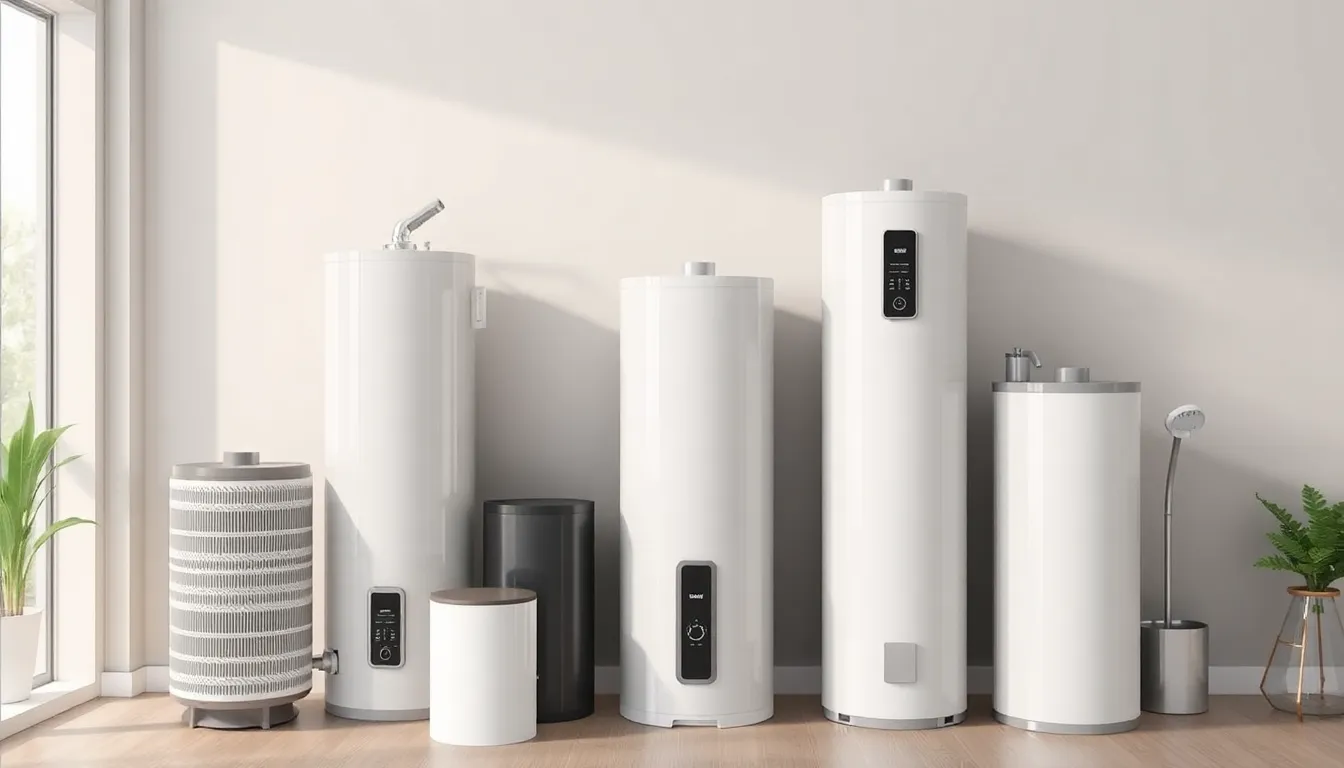
Electric water heaters come in different types, each with unique features catering to diverse needs. The two primary types include tank water heaters and tankless water heaters.
Tank Water Heaters
Tank water heaters store hot water in a large tank, typically ranging from 20 to 80 gallons. These units constantly heat water to maintain a ready supply. When a faucet is turned on, hot water flows from the tank, providing immediate access. They often require more space and can lead to higher energy costs due to heat loss. Most modern tank water heaters feature better insulation, which reduces energy expenditure. Maintenance is essential, as sediment buildup can reduce efficiency over time.
Tankless Water Heaters
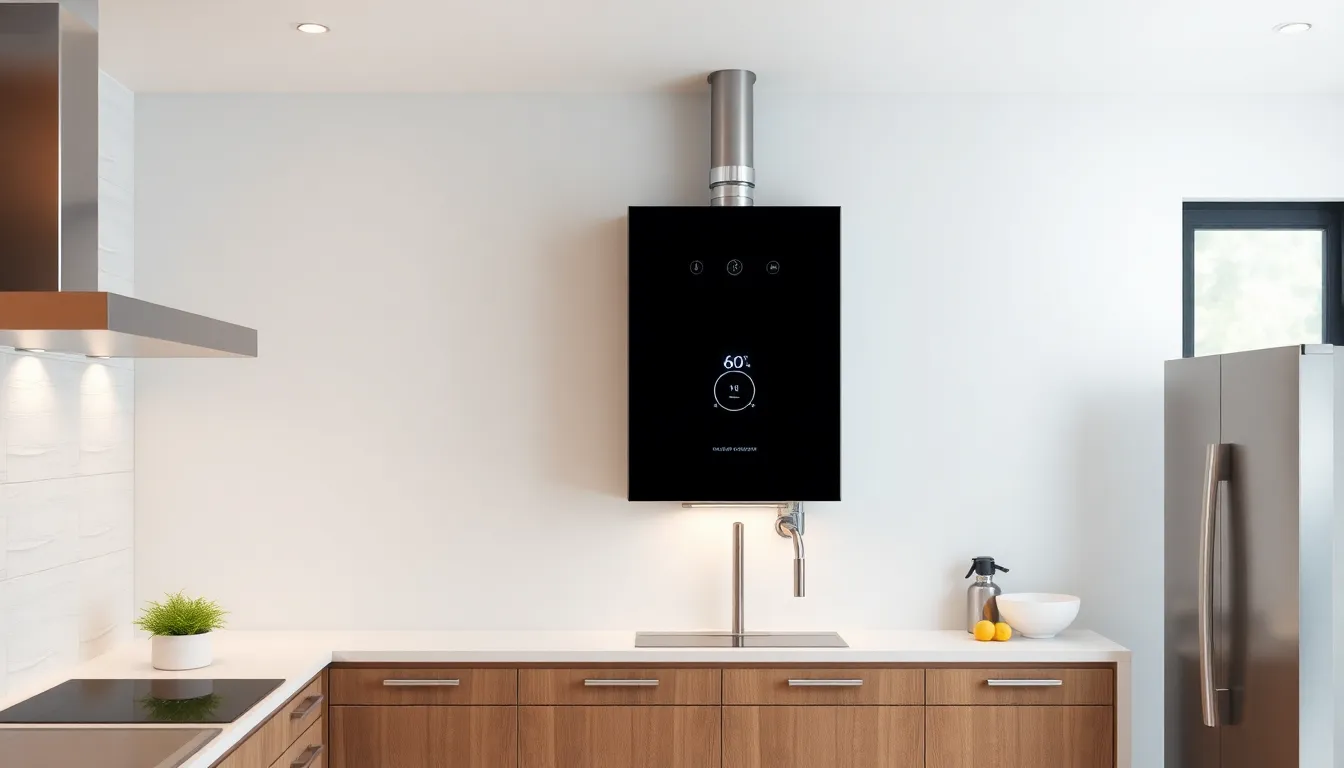
Tankless water heaters operate on-demand, heating water only when it’s needed. They’re compact, taking up less space than tank models. Commonly, they mount on walls, offering flexibility for installation. These units can deliver hot water continuously without running out, making them ideal for larger households. Energy efficiency is a significant advantage, as they only use electricity during operation. Many current models incorporate advanced technology to provide precise temperature control and enhanced reliability.
Benefits of Electric Water Heaters
Electric water heaters offer several advantages that enhance home comfort and convenience. They provide reliable access to hot water while being increasingly energy efficient and cost-effective.
Energy Efficiency
Energy efficiency stands out as a key benefit. Electric water heaters utilize advanced technology, which leads to improved heating times and reduced energy loss. Most modern models feature superior insulation that prevents heat from escaping. This efficiency helps lower overall energy consumption, translating to smaller utility bills. Data from the U.S. Department of Energy indicates that electric water heaters display an average energy factor ranging from 0.90 to 0.95, showcasing their effectiveness. Tankless options, in particular, heat water only when needed, minimizing standby energy use. With energy-efficient designs, households can enjoy hot water while reducing their environmental footprint.
Cost-Effectiveness
Cost-effectiveness is another significant advantage of electric water heaters. The initial investment often pays off through lower monthly energy bills. Many households benefit from government incentives or rebates, further reducing installation costs. Maintenance expenses for electric models tend to be lower compared to gas heaters due to fewer components that may require repair or replacement. According to a report by the Energy Information Administration, electric water heating remains competitive in terms of cost, especially when natural gas prices fluctuate. This affordability makes electric water heaters appealing for budget-conscious families seeking long-term savings without sacrificing hot water accessibility.
How to Choose the Right Electric Water Heater
Choosing the right electric water heater involves considering the size, capacity, and specific features that suit personal needs. Various factors play a role in making an informed decision.
Size and Capacity
Size and capacity directly impact hot water availability. Households require a unit that meets their hot water demands. For tank water heaters, the typical capacity ranges from 20 to 80 gallons, accommodating varying usage patterns. Tankless options provide unlimited hot water but depend on flow rates. Calculating peak demand helps determine appropriate size. For instance, a family of four may need at least a 50-gallon tank-style heater to ensure constant supply. Assessing both current and future needs is essential when choosing the right size.
Features to Consider
Features enhance the usability and efficiency of electric water heaters. Energy efficiency ratings indicate how well the unit operates, with higher energy factors suggesting lower operational costs. Safety features like automatic shut-off valves and leak detection systems prevent potential hazards. Smart technology integration offers convenience through remote monitoring and temperature adjustments via mobile apps. Look for models with quick recovery rates, ensuring faster hot water availability. Additional considerations include warranty duration and maintenance requirements, which contribute to long-term satisfaction.
Installation and Maintenance Tips
Installing an electric water heater requires careful planning to ensure safety and efficiency. First, choose a location that allows for proper airflow and access to electricity and plumbing. Next, secure necessary permits if required by local codes. Following manufacturer instructions is critical during the installation process.
Connect the water lines securely and ensure there are no leaks. Test all connections before proceeding to prevent potential issues. Install the temperature and pressure relief valve correctly to enhance safety measures. Insulation on pipes can reduce heat loss, further improving energy efficiency.
Maintenance prolongs the lifespan of electric water heaters. Regularly check the temperature setting; maintaining it at around 120°F optimizes efficiency while preventing scalding. Inspect the heating element for signs of mineral build-up, especially in areas with hard water. Flushing the tank every six to twelve months minimizes sediment accumulation.
Examine the anode rod annually. A deteriorated rod can lead to tank corrosion. Seek replacements when it appears corroded to maintain tank integrity. Ensure the unit operates quietly; unusual noises can indicate malfunctions. Address these issues promptly to avoid extensive repairs.
Monitor energy bills for sudden increases that may suggest inefficiency. When performance declines, consider evaluating the entire system. If concerns persist, contacting a licensed professional can ensure safety and optimal functionality. Prioritizing these installation and maintenance aspects can significantly enhance the efficiency and longevity of electric water heaters.