Table of Contents
ToggleImagine flipping the switch and watching the lights come on, all powered by your own genius! Making electricity at home might sound like something only mad scientists do, but it’s easier than you think. With a little creativity and a dash of DIY spirit, anyone can harness the power of the sun, wind, or even a good old-fashioned hamster wheel to keep the lights on.
Overview of Home Electricity Generation
Generating electricity at home offers independence and energy savings. Various methods exist, each catering to different needs and preferences.
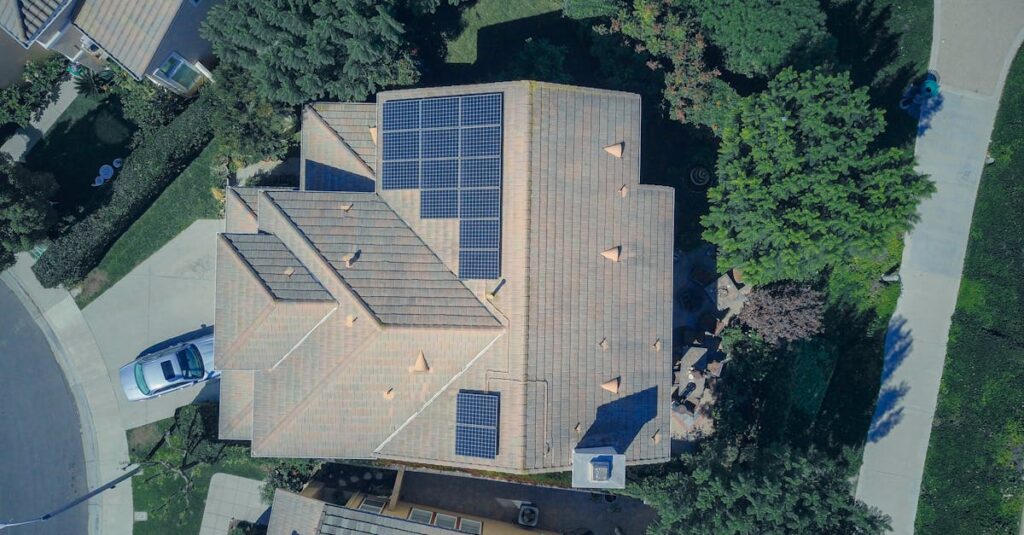
Solar power stands out as a popular option. Homeowners can easily install solar panels on roofs, capturing sunlight to convert it into electricity. This setup typically involves photovoltaic cells, which directly transform sunlight into usable energy.
Wind energy also presents a viable solution. Small wind turbines can generate power, particularly in areas with consistent wind. These turbines convert kinetic energy from wind into mechanical energy, which then gets transformed into electricity.
Biomass represents another approach. Organic materials, such as food waste or wood, can be combusted or fermented to release energy. This process produces gas, which can then be used to generate electricity.
Hydroelectric systems can provide substantial power in suitable locations. Homeowners with access to running water can harness its flow to turn turbines, generating electricity. Miniature hydro systems enable this process at a smaller scale.
Thermal generation offers distinct advantages as well. Utilizing geothermal energy from deep within the earth, homeowners can tap into a consistent heat source. Heat pumps can circulate this thermal energy, providing efficient home heating and cooling.
Battery storage systems enhance any of these options. Storing generated electricity ensures availability during peak demand times or outages, increasing reliance on self-generated power.
By exploring these methods, individuals embrace innovative solutions for energy generation. Many possibilities exist to create a self-sufficient and eco-friendly home energy system.
Methods of Generating Electricity at Home
Generating electricity at home can take various forms. Each method offers unique benefits and applications.
Solar Power Systems
Solar power systems convert sunlight into electricity. Photovoltaic cells capture solar energy and transform it into usable power. A typical residential solar panel system can generate about 300 watts per panel under ideal conditions. Individuals can achieve energy independence while reducing electricity bills. Incentive programs and tax credits often enhance affordability, making solar energy increasingly accessible. Some homeowners integrate battery storage to optimize energy use, particularly during cloudy days or at night. On average, solar panels can last over 25 years, providing long-term savings and environmental benefits.
Wind Turbines
Wind turbines harness wind energy to produce electricity. Small-scale turbines can generate enough power for an entire household in areas with consistent wind. Each turbine can generate between 400 watts and 100 kilowatts, depending on size and wind speed. Installation typically requires a minimum wind speed of 10 miles per hour for efficiency. Local zoning laws and regulations may dictate installation feasibility, making prior research essential. Combining wind power with other energy sources enhances reliability and reduces dependency on the grid. Homeowners can expect maintenance costs to be minimal over a turbine’s lifespan.
Micro-Hydro Power
Micro-hydro power systems utilize flowing water to produce electricity. These systems can operate effectively with as little as a 2-foot drop in water elevation. A small stream can generate 5 to 100 kilowatts of power, depending on flow rate and head height. Once established, micro-hydro systems provide continuous and reliable energy, even during dry spells. Permitting and water rights issues are crucial considerations before development. Installation generally involves connecting a turbine to the water source and ensuring proper maintenance. Homeowners can benefit from low operating costs and high energy efficiency.
Setting Up Your Own Electricity Generation
Generating electricity at home starts with careful planning. Establishing energy needs is the first step toward choosing the right electricity generation system.
Assessing Your Energy Needs
Identifying daily electricity consumption helps determine the required generation capacity. Understanding the typical wattage of household appliances guides calculations. Factors like energy-efficient devices or usage patterns influence total energy needs. For instance, a household using 900 kWh monthly needs a generation system capable of producing around 1,200 watts daily. Evaluating peak usage hours as well as seasonal variations also aids in precise assessments.
Choosing the Right System
Selecting an appropriate system involves evaluating available resources. Solar panels suit sunny locations, while wind turbines excel in areas with consistent wind speeds over 10 miles per hour. Considering installation space, regulatory requirements, and local incentives adds to decision-making. Biomass is ideal for those with access to organic waste, and micro-hydro systems benefit properties near flowing water. Balancing efficiency, cost, and environmental impact plays a crucial role in choosing a reliable generation method. The right system maximizes long-term savings.
Advantages and Disadvantages
Generating electricity at home offers several advantages that many homeowners appreciate. Energy independence stands out as a primary benefit. Individuals with self-sufficient energy sources reduce reliance on the grid, leading to meaningful savings on electricity bills over time. Taking advantage of available incentive programs and tax credits further enhances affordability, especially with solar panel installations.
Flexibility in choosing energy sources is another advantage. Homeowners can select methods that suit their specific conditions, whether that means solar panels in sunny regions or wind turbines in areas with consistent winds. Sustainability always plays an essential role; utilizing renewable energy sources contributes to a reduced carbon footprint and promotes environmental responsibility.
While many benefits exist, there are also notable disadvantages. Initial investment costs can be significant, especially for solar or wind energy systems requiring substantial upfront expenditures. Maintenance concerns may arise, as some systems, such as wind turbines, require regular checks to ensure optimal functionality. Factors like local zoning laws and permitting processes may complicate installation decisions, creating potential barriers for some homeowners.
Electricity generation options may also have limitations based on geographical conditions. Homeowners in shaded areas may find solar power less effective, while those in regions without adequate wind may struggle with wind energy viability. These challenges underscore the importance of thorough planning and consideration prior to embarking on a home electricity generation project.
Lastly, technology changes rapidly. Innovations in energy generation could alter what is considered the best option over time. Being aware of evolving technologies helps homeowners adapt their systems to maximize efficiency and take advantage of new opportunities.
Environmental Impact of Home Electricity Generation
Home electricity generation significantly influences the environment. Solar energy systems contribute to reducing greenhouse gas emissions. Panels convert sunlight into clean electricity, leading to less reliance on fossil fuels. A typical solar panel installation can decrease a household’s carbon footprint by several tons annually.
Wind energy presents another option with its own environmental benefits. Utilizing small turbines harnesses wind power, generating clean energy. Turbines operate silently, minimizing land disruption compared to traditional energy sources. Areas with consistent winds benefit the most, enhancing overall efficiency.
Biomass energy derives from organic waste, presenting a dual advantage of waste management and energy generation. Food scraps and plant materials transform into electricity, reducing landfill contributions. Moreover, this system uses waste that otherwise contributes to methane emissions from landfills.
Hydroelectric systems also play a vital role. Micro-hydro power generates electricity from flowing water with minimal environmental impact. These systems require a small drop in elevation, making them suitable for various locations. Sustainable water management practices enhance their viability and reduce ecosystem disruptions.
Geothermal energy serves as a reliable alternative by utilizing the Earth’s heat. This energy source supports heating and cooling in an eco-friendly manner, with very low emissions. It often leads to reduced reliance on traditional heating methods.
Battery storage systems complement these generation methods, ensuring energy availability during peak demand. These systems help maintain a consistent energy supply while optimizing resources. Effective storage limits waste and enhances overall energy efficiency, aligning with sustainability goals.
Home electricity generation fosters environmental preservation. Choices made impact energy consumption and carbon footprints. Exploring renewable energy solutions contributes to a more sustainable future.
Generating electricity at home opens up a world of possibilities for individuals seeking independence and sustainability. By exploring various methods like solar panels wind turbines and biomass systems anyone can find a solution that fits their lifestyle and resources. The initial investment may seem daunting but the long-term savings and environmental benefits make it a worthwhile endeavor.
Home electricity generation not only reduces reliance on the grid but also empowers homeowners to take control of their energy needs. With the right planning and consideration of local resources it’s possible to create a reliable and eco-friendly energy system. Embracing these innovative solutions contributes to a greener future while ensuring energy availability for years to come.