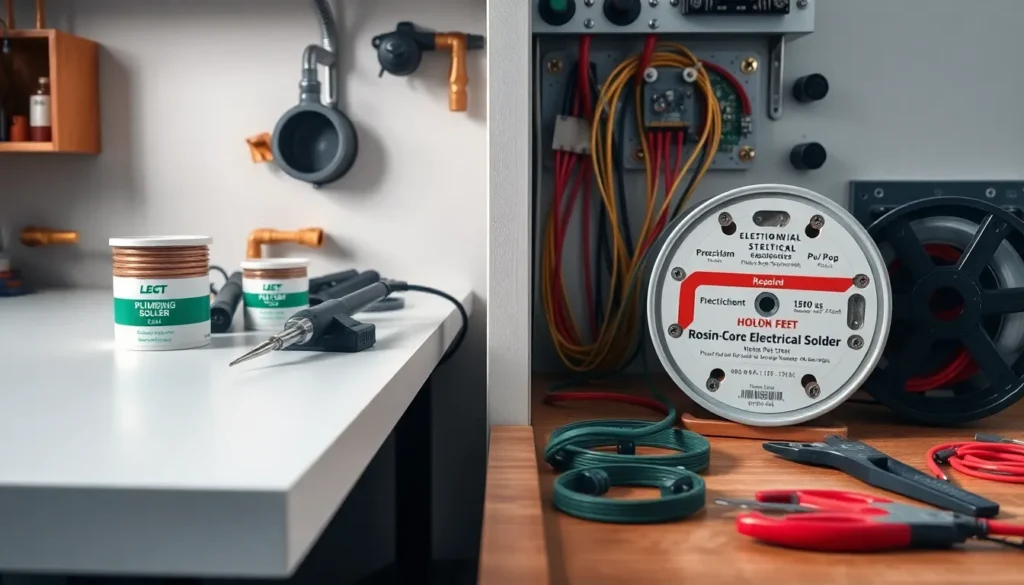
Imagine trying to take a hot shower, only to find yourself in an ice-cold cascade because someone forgot to tune the plumbing. Or picture a building where the lights flicker like a disco ball without reason. This is life without a well-orchestrated mechanical electrical plumbing (MEP) system. Mechanical electrical plumbing systems are the unsung heroes of modern construction, ensuring that buildings are not just erect bones but fully functioning organisms. Let’s journey through the vital aspects of MEP and discover why they matter more than one might think.
Understanding Mechanical Systems
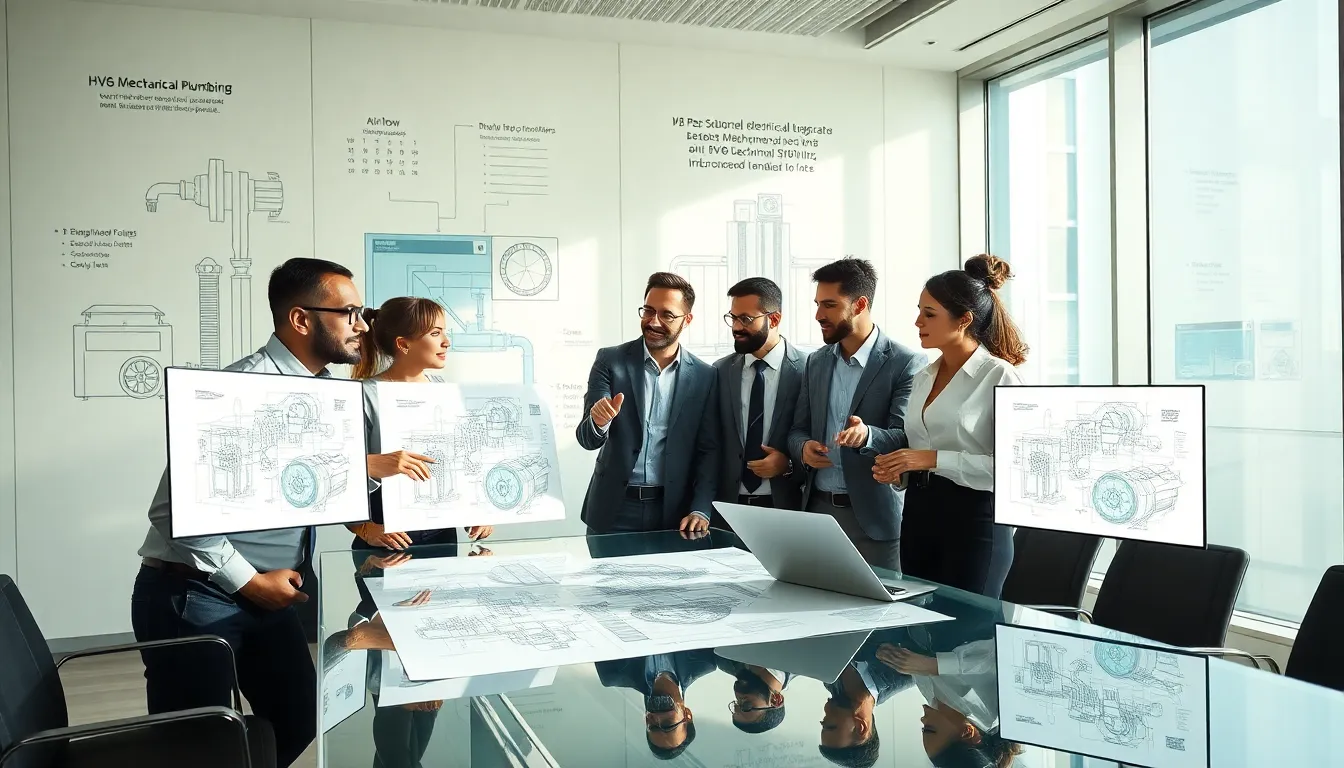
Mechanical systems encompass everything from heating, ventilation, and air conditioning (HVAC) to escalators and elevators. Visualization of these components often conjures images of ducts, vents, and complex piping networks hidden behind walls. Each mechanical system operates harmoniously to ensure that a building maintains a comfortable temperature, adequate air quality, and even mobility throughout its various levels.
HVAC systems, for instance, play a crucial role in regulating indoor environments. A poorly designed HVAC can result in energy wastage and uncomfortable living or working conditions. Designers must calculate airflow requirements and select appropriate equipment to maintain optimal functioning. When a building’s temperature feels just right, it’s likely thanks to an efficient mechanical system in action.
When looking at the broader picture, mechanical systems don’t just affect comfort: they also impact energy consumption and sustainability. The health of every building depends on these systems’ efficiency, so highlighting their importance.
Key Components of Electrical Systems
Electrical systems provide the lifeblood of modern buildings, bringing light, power, and connectivity. While most people appreciate the glow of a well-lit room, few think about the intricate wiring and circuitry necessary to make that glow a reality. At the heart of these systems are several key components.
First off, there are generators and transformers that help the flow of electricity throughout a structure. Circuit breakers protect against overloads, ensuring safety, while wiring runs through walls, connecting power outlets, switches, and light fixtures. Smart technology has also introduced new elements such as smart meters and energy-efficient appliances that optimize power usage. With the growing focus on sustainable energies, electrical systems now increasingly incorporate solar panels and energy storage solutions.
Good design and installation are crucial to maintaining both safety and functionality. A miswiring in a new office building can hinder operations or, worse, create hazards. Hence, it’s essential to work with knowledgeable professionals who can design systems that meet current standards and future demands.
Plumbing Basics and Considerations
Plumbing might often seem straightforward, yet it involves various layers of complexity. At its core, plumbing systems transport water to and from buildings, ensuring that residents have access to clean water while facilitating waste removal. Key components include pipes, fittings, valves, and fixtures, all engineered to work together smoothly.
Consideration for water pressure and drainage is critical: both factors affect how efficiently a plumbing system operates. Water supply lines must be designed to maintain adequate pressure, while waste pipes must slope correctly to ensure proper drainage. Any plumber worth their salt knows that even a small mishap can lead to leaks, leading to costly damage.
Modern plumbing also includes innovations such as tankless water heaters and water recycling systems. These advancements not only enhance efficiency but also promote sustainability. As society pushes toward greener environments, plumbing technology continues to evolve, adapting to meet these demands.
Integration of Mechanical, Electrical, and Plumbing
The integration of mechanical, electrical, and plumbing systems, often abbreviated as MEP, represents the harmonious collaboration necessary for a building’s functionality. Each system must complement the others, with engineers needing to ensure that they interact effectively. This synergy can make or break a project’s success.
For example, HVAC systems rely on a network of electrical connections to function properly. Also, they often share ductwork with plumbing systems, necessitating careful planning to avoid conflicts. In a commercial high-rise, for instance, a failure in coordination can lead to significant inefficiencies, such as airflow issues or pressure drops.
Besides, modern construction projects increasingly employ Building Information Modeling (BIM) to assist in MEP integration. BIM allows engineers to visualize the systems before installation, identifying potential conflicts and optimizing design before the physical work. This proactive approach saves both time and costs, emphasizing the need for coordination in the design and construction phases.
Challenges in Mechanical Electrical Plumbing Projects
Even though the advances in technology and collaboration, MEP projects are not without challenges. One major hurdle is the coordination among numerous subcontractors, each with their own specialties. Miscommunication can lead to costly delays and rework, not to mention safety hazards.
Also, evolving building codes and standards may present obstacles for MEP professionals. Staying compliant while integrating new technologies and solutions often requires constant education and adaptation. Navigating these regulations can mean the difference between a smooth project and a logistical nightmare.
Budget constraints also play a critical role. Making smart choices while ensuring quality in materials and designs can get tricky when managing tight financial limits. Adhering to budget typically means balancing quality with cost, which is a challenge that many MEP managers face.
Addressing these challenges requires both experience and innovation. Successful MEP professionals continuously look for ways to streamline processes and improve communication.
Future Trends in Mechanical Electrical Plumbing
Looking ahead, the field of mechanical electrical plumbing is ripe for transformation. With the rise of smart buildings and the Internet of Things (IoT), MEP systems are becoming increasingly intelligent and interconnected. This new wave of technology enables monitoring and control of systems through applications, allowing for real-time adjustments based on occupancy and usage.
Besides, sustainability continues to be an overarching trend. As energy codes become stricter, MEP designs must innovate ways to reduce waste and enhance efficiency. From energy-efficient HVAC systems to low-flow fixtures, the focus is shifting towards sustainability without sacrificing comfort.
Finally, integrating renewable energy sources is no longer just an option, it’s becoming expected. Solar installations and energy-efficient designs are gradually replacing traditional systems, pushing MEP professionals to adapt and evolve. So, future projects will likely prioritize environmental impact as much as performance.