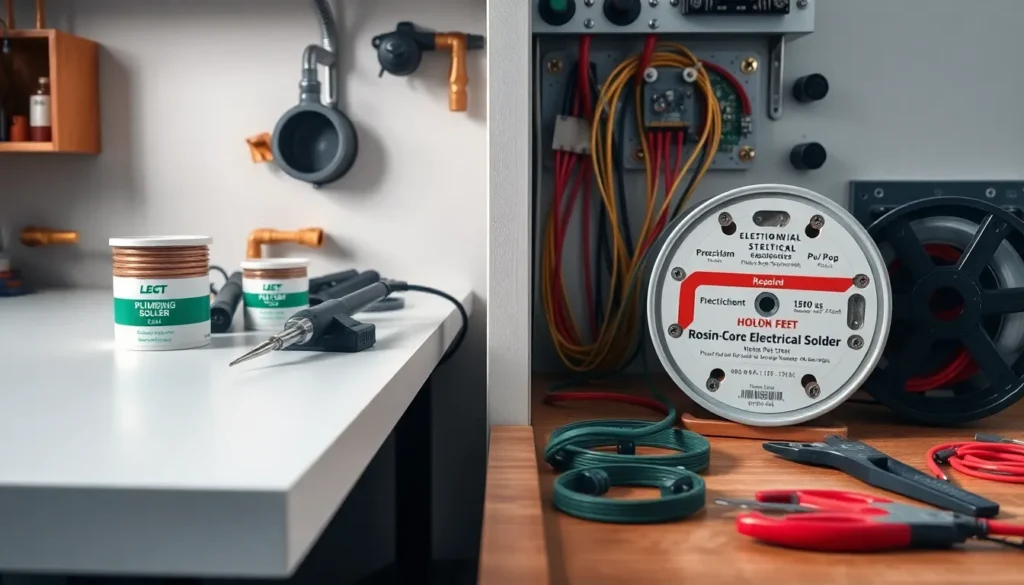
Imagine a home where your coffee brews itself as you wake up and the lights adjust to your mood without lifting a finger. Sounds like a scene from a sci-fi movie, right? Well, welcome to the world of smart home wiring, where technology transforms everyday living into a seamless experience.
Overview of Smart Home Wiring
Smart home wiring integrates technology within residential environments, transforming them into efficient living spaces. Systems supporting smart wiring manage devices, sensors, and appliances seamlessly. This approach enhances security, comfort, and energy efficiency.
Wiring conventions play a crucial role in establishing a smart ecosystem. Ethernet cables enable stable internet connections for devices, allowing them to communicate effectively. Similarly, power over Ethernet (PoE) simplifies installations, reducing the need for multiple outlets.
Smart home wiring often involves structured cabling systems. These systems accommodate various technologies, including networking, audio, and video. An organized cabling layout ensures easier troubleshooting and upgrades in the future.
Devices require proper wiring to function optimally. Wireless access points, smart thermostats, and security cameras rely heavily on conducive wiring to ensure uninterrupted service. Using high-quality wiring materials minimizes signal loss and enhances stability.
Energy management systems benefit significantly from smart wiring solutions. These systems monitor energy usage in real time, informing homeowners about consumption patterns. Likewise, integrated lighting controls can adapt illumination levels based on activity and presence detection.
Home automation platforms utilize smart wiring to create interconnectivity among devices. Compatibility with major ecosystems, such as Google Assistant or Amazon Alexa, ensures smooth functioning. An efficient wiring configuration enables a comprehensive user experience.
Ultimately, planning smart home wiring requires careful consideration. Homeowners must evaluate their needs, device compatibility, and future expansion possibilities. A well-executed wiring strategy leads to a smarter, more responsive home environment.
Benefits of Smart Home Wiring
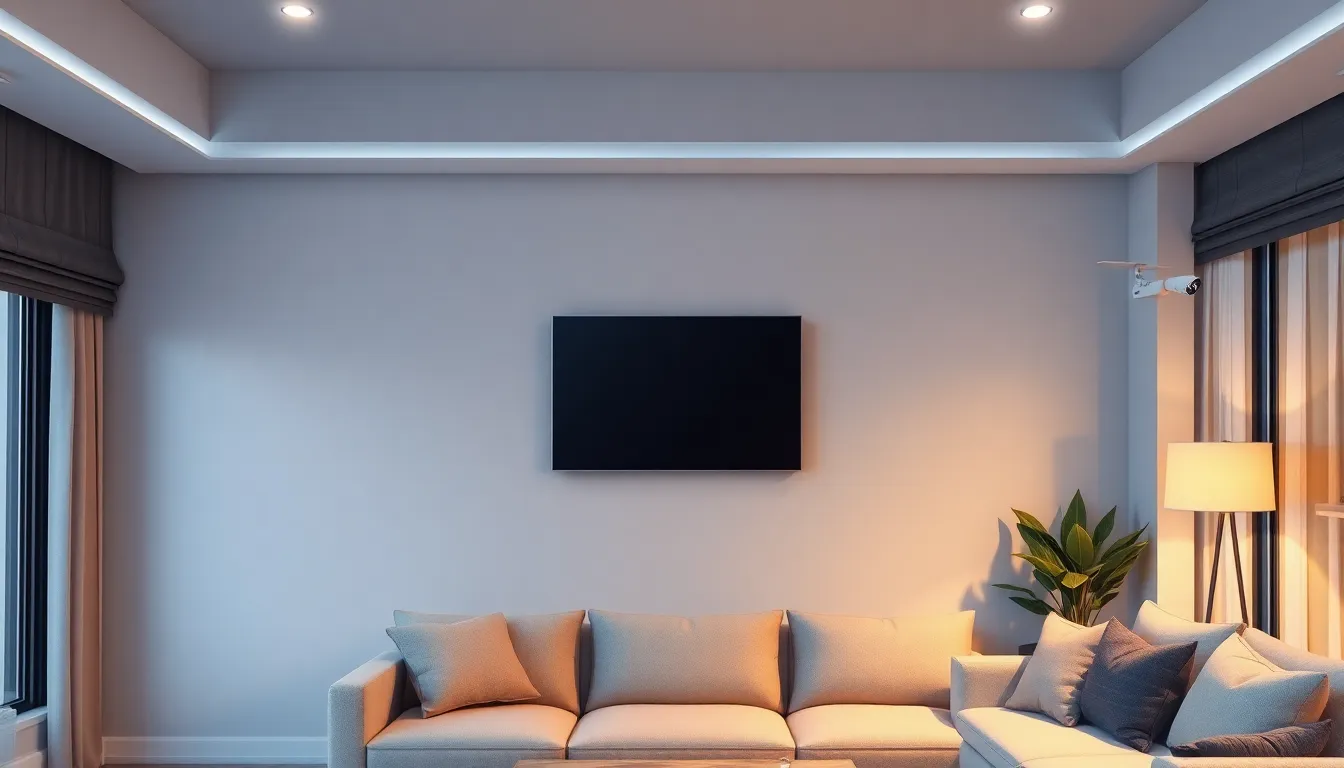
Smart home wiring offers multiple advantages that can significantly enhance modern living. These benefits include improved energy efficiency and enhanced security features.
Improved Energy Efficiency
Smart home wiring contributes to reduced energy consumption. Automated systems can adjust heating and cooling based on occupancy, leading to substantial savings on utility bills. Energy management systems monitor real-time usage, allowing homeowners to identify patterns and make adjustments. LED lighting, integrated with smart wiring, adapts to the time of day, optimizing illumination and minimizing energy waste. Furthermore, devices can work in unison through centralized control panels, ensuring only necessary equipment operates at any given time.
Enhanced Security Features
Smart home wiring enhances security through integrated systems. Surveillance cameras, motion detectors, and smart locks connect seamlessly through structured cabling, allowing for seamless monitoring. Homeowners receive real-time alerts about suspicious activities, strengthening overall security. Wiring supports the installation of smart doorbells, providing visual access to visitors, even when homeowners aren’t present. Automated lighting systems can simulate occupancy, deterring potential intruders effectively. Through enhanced connectivity, smart home wiring ensures that security measures are comprehensive and efficient.
Smart Home Wiring Technologies
Smart home wiring technologies play a crucial role in enhancing functionality and convenience in modern homes. These systems offer innovative ways to connect and control devices.
Wireless vs. Wired Solutions
Both wireless and wired solutions provide unique advantages for smart home wiring. Wireless setups facilitate easy installation and flexibility in adding devices without running new cables. Smart devices like plugs and sensors often use Wi-Fi or Zigbee for communication. Conversely, wired solutions offer enhanced stability and reliability, minimizing connectivity issues. Ethernet cables connect devices with high-speed internet, ensuring seamless performance for data-intensive applications. Both methods accommodate different preferences, allowing homeowners to choose based on their needs and layout.
Popular Protocols and Standards
Various protocols and standards govern smart home technologies. Z-Wave and Zigbee stand out for their low power consumption and mesh networking capabilities. Bluetooth is prevalent for short-range communication, particularly in wearables and automation devices. Wi-Fi supports broader data transmission, making it suitable for streaming devices and smart cameras. Other protocols like MQTT and CoAP enhance communication between devices and cloud services. Understanding these protocols enables better integration and compatibility within smart home systems, ensuring a cohesive environment.
Installation Considerations
Proper installation of smart home wiring requires thoughtful planning and design. Anticipating future needs increases functionality and compatibility.
Planning and Design
Planning involves assessing current and future technology requirements. Designers recommend considering device locations and the types of connections needed, ensuring adequate bandwidth. Evaluating cable pathways also aids in selecting materials, such as Cat 6 for data transmission. Components like smart switches, IoT devices, and security systems must align with layout designs. Early identification of potential challenges simplifies the installation process.
Professional vs. DIY Installation
Choosing between professional installation and DIY typically depends on experience and project complexity. Professionals possess expertise in wiring standards and troubleshooting, significantly reducing time and effort. DIY installations may save on costs, yet they require careful attention to detail and adherence to local codes. Homeowners comfortable with tools might tackle simpler setups, but complex systems benefit from expert guidance. Balancing cost efficiency with installation proficiency ensures optimal performance.
Future Trends in Smart Home Wiring
Wireless technology continues to shape the landscape of smart home wiring, fostering seamless connectivity among devices. As advancements in Wi-Fi 6 and 5G technology emerge, increased bandwidth supports high-demand applications like 4K video streaming and real-time gaming. Greater device density will enable simultaneous connections without performance degradation, enhancing user experiences.
Growing interest in energy management systems drives innovation in smart wiring solutions. Homeowners now easily integrate solar technologies and battery storage into their wiring frameworks. This development leads to more sustainable energy consumption and reduces reliance on traditional power grids.
AI and machine learning trends also affect smart home wiring. Improved algorithms enable devices to learn user habits, optimizing energy usage and enhancing automated responses. As these trends evolve, smart home systems become more intuitive, adapting to preferences and improving overall comfort.
Enhanced security protocols stand out in future smart wiring implementations. Innovations such as advanced encryption methods bolster the safety of connected devices, better protecting sensitive data. Integrating biometric technology, like fingerprint sensors and facial recognition, adds another layer of security for homeowners.
Structured cabling remains a priority as smart home ecosystems expand. This approach allows for easy upgrades and maintenance, accommodating new technologies quickly. Installing modular infrastructures streamlines the integration of additional devices or systems in the future.
Smart homes will increasingly embrace interoperability among various platforms. This trend will ensure that devices speak a common language, leading to more cohesive ecosystems. Unified control through centralized hubs simplifies management, allowing seamless user interaction.
Adopting eco-friendly materials in wiring will rise as homeowners become more environmentally conscious. Using sustainable resources in the wiring process minimizes environmental impact, aligning smart homes with green living ideals. Future trends in smart home wiring will prioritize functionality, security, and sustainability, creating smarter living spaces for all.
Smart home wiring represents a significant leap toward modern living. By integrating advanced technologies into everyday environments, it enhances convenience security and energy efficiency. Homeowners can enjoy the benefits of automation while ensuring their spaces remain adaptable to future innovations.
As the landscape evolves with wireless advancements and eco-friendly materials, the potential for smarter homes continues to grow. Proper planning and installation are essential in maximizing these benefits. Whether opting for professional help or tackling a DIY project careful consideration of current and future needs will lead to a more efficient and responsive home. Embracing these trends not only improves daily life but also aligns with a commitment to sustainability and smart living.