When it comes to interior design, lighting is the unsung hero that can make or break a space. Imagine stepping into a room where the light’s so dim you could mistake it for a cave. Not exactly the warm and inviting atmosphere one hopes for, right? Proper interior lighting isn’t just about visibility; it’s about setting the mood, enhancing aesthetics, and even boosting productivity.
Understanding Interior Lighting
Effective interior lighting shapes the atmosphere of a space. It influences mood, functionality, and aesthetics, playing a vital role in interior design.
Importance of Lighting in Interior Design
Lighting affects the perception of size, color, and texture in a room. It enhances the functionality of spaces, allowing residents to perform tasks effectively. Properly lit areas can uplift spirits and increase comfort levels. Well-placed lighting fixtures direct attention to key features and artwork, adding visual interest. According to experts, a balance of natural and artificial light promotes a healthier and more inviting environment.
Types of Interior Lighting
Interior lighting can be classified into three primary categories: ambient, task, and accent. Ambient lighting provides overall illumination, making it essential for daily activities. Task lighting focuses on specific areas, such as reading nooks or workspaces, allowing for greater efficiency. Accent lighting highlights architectural elements or decor, creating visual appeal and depth. Each type serves a distinct purpose, contributing to the overall design and function of a space.
Natural vs. Artificial Lighting

Natural and artificial lighting play vital roles in interior design, each offering distinct benefits and considerations. Balancing these two sources enhances atmosphere and functionality throughout a space.
Benefits of Natural Light
Natural light enhances well-being and productivity. It boosts mood by increasing serotonin levels, contributing to a positive atmosphere. Exposure to sunlight reduces the need for artificial lighting during the day, saving energy costs. Additionally, natural light highlights colors and textures, improving the aesthetic appeal of a room. Natural light can also create a sense of spaciousness, making smaller areas feel larger and more open. Incorporating large windows, skylights, or light tubes can maximize the influx of natural light, promoting healthier indoor environments.
Choosing Artificial Lighting
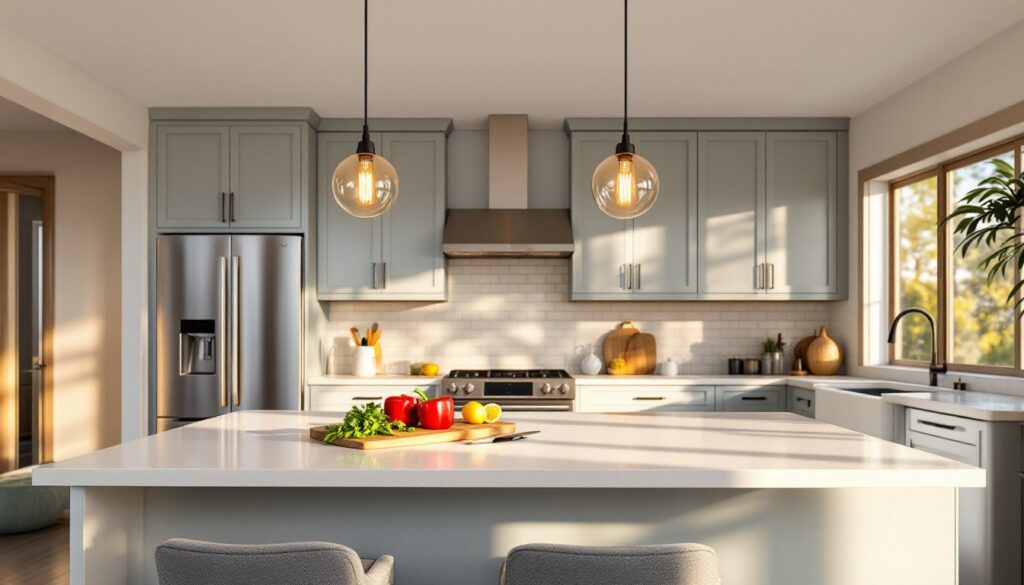
Artificial lighting complements spaces when natural light is insufficient. Selecting the right type of artificial lighting requires understanding the purpose of each environment. Different fixtures serve specific functions; for instance, pendant lights provide focused illumination for dining areas, while floor lamps can create cozy reading nooks. Energy-efficient LED bulbs offer sustainable options, reducing electricity consumption and running costs. Brightness and color temperature influence mood; warm light promotes relaxation, while cool light enhances focus. It’s crucial to layer different types of artificial lighting to achieve balance and versatility in any interior design.
Key Elements of Interior Lighting Design
Effective interior lighting design incorporates various techniques to achieve an inviting environment. Key considerations include layering light, color temperature, and ambiance.
Layering Light
Layering light involves combining different types of lighting to create depth and interest in a space. Ambient lighting serves as the foundation, while task lighting addresses specific activities like reading or cooking. Accent lighting draws attention to artwork or architectural features, enhancing the overall design. Utilizing dimmers allows flexibility to alter brightness levels based on mood or occasion. Strategically placed fixtures throughout a room provide a well-rounded illumination experience, ensuring every corner feels inviting and functional.
Color Temperature and Ambiance
Color temperature significantly influences the ambiance of a room. Measured in Kelvin, lower temperatures produce warmer, soft light while higher temperatures emit cooler, bluish tones. Warm light fosters relaxation, making it suitable for bedrooms and living areas. In contrast, cooler light enhances focus and is ideal for workspaces and kitchens. Choosing the right color temperature aligns with the desired mood for each space. Mixing color temperatures can also create visual harmony, adding layers of warmth and coolness that enrich the overall interior design.
Popular Interior Lighting Styles
Interior lighting styles significantly influence the overall look and feel of a space. Both modern and classic designs offer unique benefits and can complement various aesthetics.
Modern Lighting Trends
Simplicity characterizes modern lighting trends. Minimalist fixtures typically feature clean lines, geometric shapes, and integrated technology. Statement pendant lights often become focal points, infusing personality into open spaces. Additionally, energy-efficient LEDs dominate modern designs, offering versatility with various color temperatures. Open floor plans benefit from layered lighting techniques. Smart lighting solutions also provide convenience through programmable controls and remote access.
Classic Lighting Designs
Classic lighting designs evoke timeless elegance. Chandeliers often serve as stunning centerpieces in traditional settings, enhancing grandeur. Wall sconces strategically placed add warmth and ambiance while accentuating architectural features. Materials like crystal, brass, and wrought iron frequently appear in classic fixtures, symbolizing durability and sophistication. Antique lamps provide a nostalgic touch, blending seamlessly within vintage or eclectic decors. Soft, warm lighting complements rich colors, creating an inviting atmosphere throughout the home.
Effective interior lighting is essential for transforming spaces and enhancing overall well-being. By understanding the different types of lighting—ambient, task, and accent—individuals can create a harmonious environment that caters to both functionality and aesthetics.
Incorporating a balance of natural and artificial light not only elevates mood but also promotes a healthier living space. Layering light and selecting the right color temperatures further enrich the ambiance, allowing for versatility in design.
Whether opting for modern minimalism or classic elegance, lighting choices should reflect personal style while serving practical needs. With thoughtful planning and execution, anyone can achieve an inviting and dynamic interior that resonates with comfort and sophistication.