Table of Contents
ToggleSarasota’s subtropical climate and coastal location create unique challenges for outdoor lighting. Between the relentless humidity, salt spray, and year-round sun exposure, fixtures that work fine in Atlanta or Charlotte will corrode and fail within months here. But get it right, and outdoor lighting transforms a Florida property, extending usable hours into evening, highlighting architectural features, and deterring intruders. This guide covers what works in Sarasota’s specific conditions, from fixture selection to installation techniques that account for sandy soil and seasonal storms.
Key Takeaways
- Outdoor lighting in Sarasota requires marine-grade materials like stainless steel or brass because the region’s salt spray and 70%+ humidity cause standard fixtures to corrode and fail within 18-24 months instead of the typical 5-7 year lifespan.
- IP65-rated LED fixtures with proper gaskets and seals are essential for coastal conditions, and low-voltage landscape lighting systems dominate residential installations due to safety, ease of installation, and energy efficiency.
- Motion-activated perimeter lighting with pet immunity and 20-30 watt LED floodlights effectively deter intruders while security cameras capture clear facial identification without neighbor glare.
- Outdoor lighting in Sarasota must account for year-round usage (250+ nights annually), making LED technology and smart astronomical timers critical for reducing energy costs from $15-20 monthly to under $3 for typical systems.
- Sandy soil installation requires concrete pads for heavier fixtures and proper wire burial at 6+ inches depth with dielectric grease applied to all connections to prevent corrosion-related failures.
- When installing outdoor lighting, always call the building department for 120V line-voltage work and hire licensed electricians, as saltwater and electricity require expert handling to avoid safety hazards.
Why Outdoor Lighting Matters in Sarasota’s Unique Climate
Sarasota sits in USDA hardiness zone 10a, with average humidity above 70% and salt-laden air that accelerates corrosion. Standard aluminum or steel fixtures develop pitting and electrical shorts faster than in inland climates. Coastal homeowners replace poorly chosen lights every 18-24 months instead of the typical 5-7 year lifespan.
Outdoor lighting serves three critical functions here: safety, security, and aesthetics. Unlit pathways become hazards during Florida’s sudden afternoon thunderstorms when visibility drops to near zero. Motion-activated perimeter lighting discourages the opportunistic break-ins that increase during tourist season. And well-placed accent lights showcase the tropical landscaping that makes Sarasota properties distinctive.
The climate also affects usage patterns. Unlike northern states where outdoor lighting primarily serves fall and winter evenings, Sarasota residents use outdoor spaces year-round. Lights stay on 250+ nights annually, making energy efficiency and durability non-negotiable. UV exposure from intense sun degrades plastic lenses and fades powder-coat finishes, so material selection matters as much as wattage and beam angle.
Best Types of Outdoor Lighting for Sarasota Homes
Landscape and Pathway Lighting
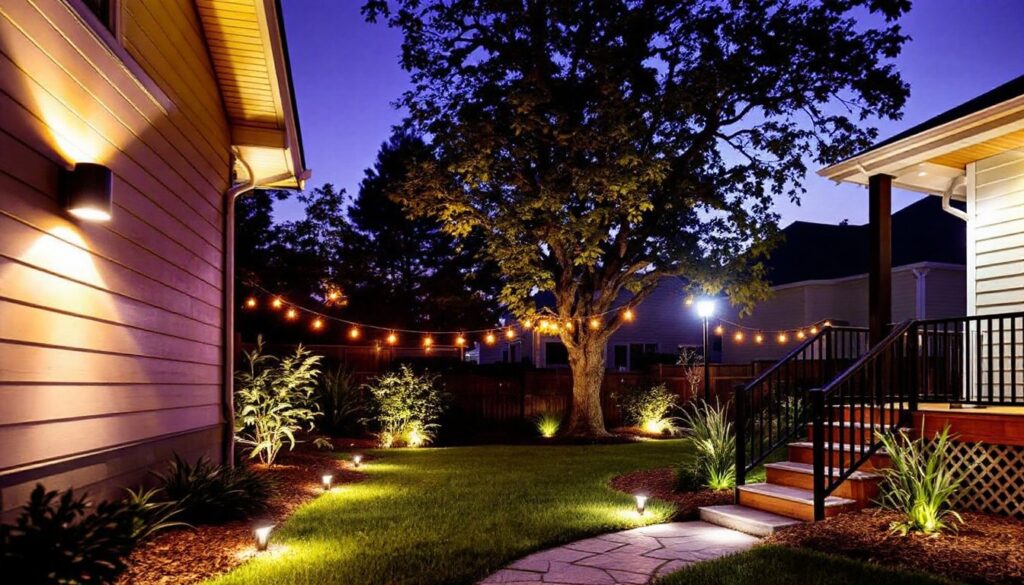
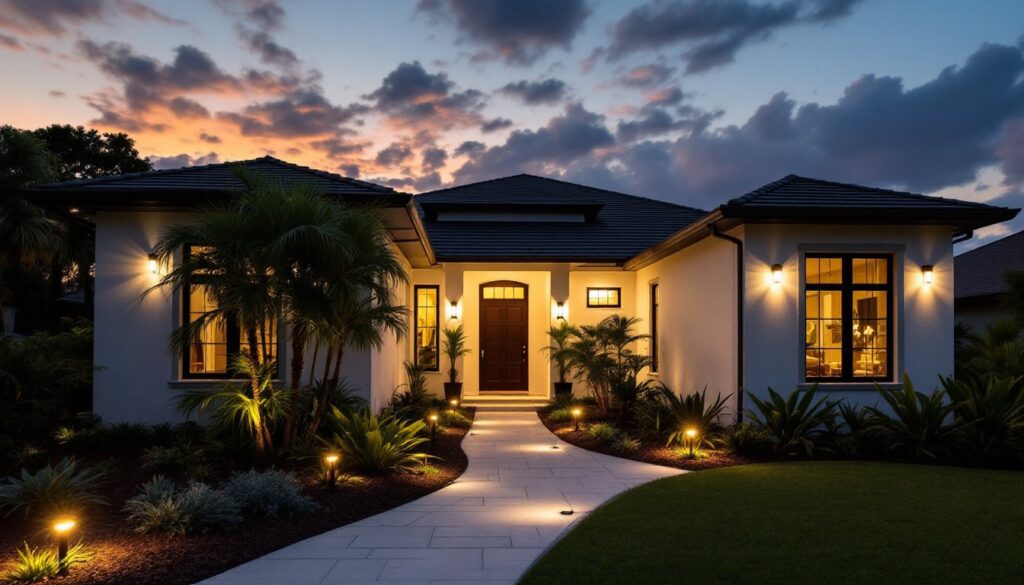
Low-voltage LED systems dominate residential landscape lighting in coastal Florida. They run on 12V transformers, reducing shock risk in wet conditions and simplifying DIY installation since they don’t require an electrician in most jurisdictions. Typical configurations include:
- Path lights (spacing 8-10 feet apart) along walkways and driveways
- Bullet-style uplights for palms, live oaks, and architectural features
- Well lights recessed in planting beds to wash light across walls or tree canopies
Choose fixtures with brass or marine-grade stainless steel construction. Sarasota’s proximity to the Gulf means even properties several miles inland get salt exposure. Plastic stakes and aluminum housings corrode within two seasons. Quality landscape lighting for outdoor aesthetics and functionality typically uses 3-5 watt LED bulbs producing 200-300 lumens, enough to define spaces without light pollution.
For pathways, avoid the solar stake lights sold at big-box stores. They produce inadequate lumens (usually 5-15) and the batteries fail in 6-12 months from constant heat cycling. If solar is preferred, specify commercial-grade units with replaceable lithium batteries and separate panel placement for optimal sun exposure.
Security and Motion-Activated Lights
Perimeter security lighting requires different specs than landscape accents. Dusk-to-dawn photocell fixtures or motion-activated floodlights provide the lumens needed to eliminate dark zones where intruders could approach unseen.
For motion sensors, look for models with adjustable sensitivity and pet immunity. Florida wildlife, raccoons, possums, even neighborhood cats, will trigger basic PIR sensors constantly. Quality units distinguish between small animals and human-sized movement.
Mount floodlights 8-10 feet high, angled downward to illuminate entryways, garage doors, and sliding glass doors. Professional exterior lighting installations typically use 20-30 watt LED floodlights producing 2000-3000 lumens. That’s enough to clearly identify faces on security cameras without blinding neighbors or creating harsh glare.
Integrated systems that sync with smart home platforms allow remote control and scheduling, useful when traveling during hurricane season or summer vacation periods.
Choosing Weather-Resistant Fixtures for Coastal Conditions
The IP (Ingress Protection) rating system indicates how well a fixture resists dust and moisture. For Sarasota installations, specify IP65 or higher for any fixture exposed to weather. The first digit (6) means dust-tight: the second (5) indicates protection against water jets from any direction, critical during tropical storms.
Fixture housing materials ranked by coastal durability:
- Marine-grade stainless steel (316): Best corrosion resistance, higher cost, justifiable within 5 miles of coastline
- Solid brass with powder-coat or patina finish: Excellent longevity, natural tarnish develops character
- Composite polymers (glass-filled nylon): Lighter weight, UV-stabilized versions resist sun degradation
- Aluminum with marine-grade anodizing: Mid-tier option, avoid standard powder-coat which flakes in salt air
- Plastic or standard steel: Replace within 2-3 years, not cost-effective long-term
Lens materials matter equally. Tempered glass outperforms acrylic in direct sun exposure and resists yellowing. Some manufacturers use polycarbonate lenses with UV inhibitors, acceptable for shaded locations but degrades faster in full sun.
Gaskets and seals should be silicone rubber, not foam or neoprene which degrade from heat and UV. Check that junction boxes have compression fittings for wire entry rather than simple knockout holes where moisture creeps in. Many smart home devices reviewed on sites like Tom’s Guide include outdoor-rated fixtures with proper sealing for coastal climates.
DIY Installation Tips for Outdoor Lighting in Sarasota
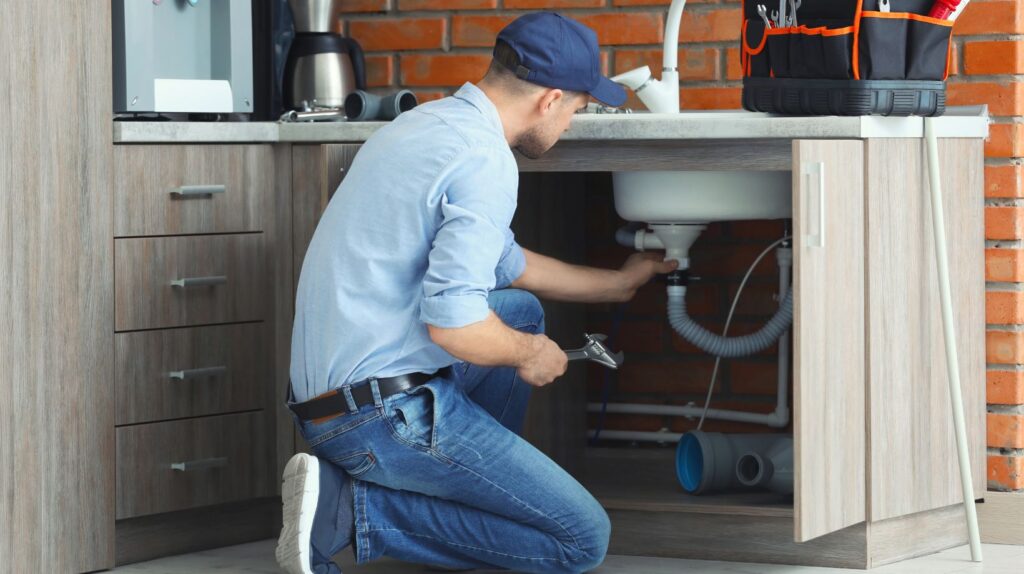
Permit requirements: Low-voltage landscape lighting (under 30V) typically doesn’t require permits in Sarasota County, but 120V line-voltage installations do. Call the city building department before running new circuits from the breaker panel. When in doubt, hire a licensed electrician for line-voltage work, saltwater and electricity make unforgiving combinations.
For low-voltage systems, start with a 300-watt transformer rated for outdoor use. Mount it in a garage or under an eave, never in direct rain exposure even though weatherproof claims. Run 12-gauge or 14-gauge wire underground (12-gauge for runs over 100 feet to minimize voltage drop). Sarasota’s sandy soil makes trenching easy, but bury cable at least 6 inches deep and use conduit where wire crosses driveways or high-traffic areas.
Sandy soil drains fast but doesn’t anchor stakes well. Use flared or spiral-style stake anchors and tamp backfill firmly. For heavier fixtures like uplights near trees, pour a small concrete pad (8×8 inches, 3-4 inches thick) to prevent tilting during heavy rains.
Safety gear: Wear UV-rated safety glasses when cutting wire or drilling mounting holes in stucco or coquina, Florida limestone creates sharp chips. Use a voltage tester to confirm circuits are de-energized before connecting fixtures, even on low-voltage systems.
Test all connections before burying wire. Corroded connections are the primary failure point in coastal lighting. Apply dielectric grease to every wire nut and connector to seal out moisture. Some installers use heat-shrink connectors with sealant for below-grade splices, worth the extra cost in salt-air zones.
For project planning and cost estimates, HomeAdvisor provides typical installation ranges adjusted for regional labor rates and material availability.
Energy-Efficient Lighting Solutions for Year-Round Use
Sarasota outdoor lighting runs 10-12 hours nightly year-round, making efficiency critical. LED fixtures use 75-85% less energy than halogen equivalents and generate minimal heat, important when fixtures mount near wood siding or composite decking.
Lumen output per watt varies widely. Quality LEDs produce 80-120 lumens per watt, while budget models manage only 40-60. A 5-watt LED at 100 lm/W delivers 500 lumens, equivalent to a 40-watt incandescent. For landscape lighting sarasota fl installations, this translates to monthly operating costs under $3 for a typical 10-fixture system versus $15-20 for halogen.
Color temperature affects perceived brightness and ambiance. 2700K-3000K (warm white) works best for residential landscapes, mimicking incandescent light and complementing Florida’s tropical plantings. 4000K-5000K (cool white) provides better color rendering for security applications but feels harsh in entertainment areas.
Smart controls and timers maximize efficiency without compromising security. Astronomical timers adjust on/off times automatically as day length changes through the year, critical in Florida where sunset varies by 2+ hours between summer and winter solstices. Motion sensors can trigger 100% brightness when activity detected, then dim to 30% for ambient lighting otherwise.
Solar-powered options have improved but remain limited in Sarasota’s climate. Afternoon thunderstorms and heavy tree canopy reduce panel efficiency. If using solar, position panels south-facing with zero shade between 10 AM and 3 PM for adequate battery charging. Expect 3-5 hours of usable light, not full-night operation.