Table of Contents
ToggleOutdoor lighting transforms a yard from forgettable to functional after dark. But installing low-voltage fixtures, burying wire runs, and balancing transformer loads isn’t always a weekend DIY project, especially if you want results that last more than a season. Hiring a qualified landscape lighting company can save you from voltage drops, corroded connections, and a front yard that looks like a runway instead of a retreat. The challenge? Finding a local installer who knows the difference between a path light and a well light, pulls permits when needed, and doesn’t vanish after cashing your deposit. Here’s how to separate the pros from the pretenders in 2026.
Key Takeaways
- Professional landscape lighting companies bring expertise in photometry, fixture selection, and voltage calculations that DIY kits and untrained installers often skip, preventing costly voltage drops and premature system failure.
- When comparing landscape lighting companies near you, prioritize those with manufacturer certifications (AOLP, FX Luminaire, Kichler), insurance coverage, local references, and portfolio variety—not just the lowest bid.
- A detailed landscape lighting quote should itemize fixtures, transformer size, wire gauge, labor, and permits separately; expect $2,500–$7,000 for typical residential systems, with high-end installations exceeding $15,000.
- Ask qualified landscape lighting installers about transformer sizing calculations, voltage drop prevention, permit requirements, and integration with smart home controls before making your final selection.
- Material upgrades like LED fixtures and corrosion-resistant housings (brass or copper) cost more upfront but deliver superior durability, energy savings, and 25,000+ hour lifespans that justify the investment.
- Request on-site consultations from at least three local landscape lighting companies to receive accurate proposals, avoid phone quotes, and verify they protect existing landscaping during installation with proper trenching methods.
Why Professional Landscape Lighting Matters for Your Home
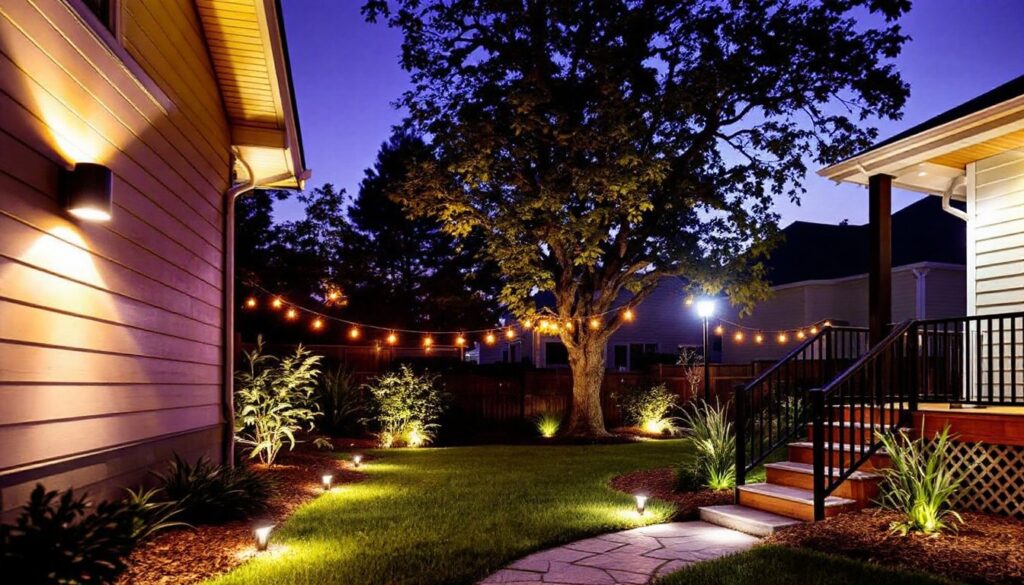
A well-designed landscape lighting system does more than spotlight your favorite tree. It increases curb appeal, extends usable outdoor hours, and improves safety by illuminating steps, walkways, and grade changes. Security is another factor, motion-activated or dusk-to-dawn fixtures deter trespassers far better than a single floodlight that blinds everyone including you.
Professional installers understand photometry, how light spreads, reflects, and interacts with materials like brick, stone, and plant foliage. They’ll specify fixtures with appropriate beam angles (spot vs. flood), corrosion-resistant housings (brass, copper, or powder-coated aluminum), and the right color temperature for your landscape. Most residential systems run on 12V or 24V transformers, which step down household 120V current and require proper sizing to avoid overloading.
DIY kits from big-box stores can work for small projects, but they often skip crucial elements: burial-rated cable (direct-burial UF or landscape wire rated for wet locations), waterproof wire connectors, and adequate voltage drop calculations. A pro will calculate wire gauge based on run length and total wattage to ensure fixtures at the end of the circuit shine as brightly as those closest to the transformer. They’ll also integrate timers, photocells, or smart controls so your lights turn on automatically without you fumbling with a switch.
If your property has mature trees, water features, or multi-level hardscaping, the complexity scales fast. Professionals know how to angle uplights to avoid glare, hide fixtures in mulch beds or behind retaining walls, and route wiring around irrigation lines and tree roots without damage.
What to Look for When Choosing a Local Landscape Lighting Company
Not all lighting installers are created equal. Some are full-service landscape contractors who add lighting as an afterthought: others specialize exclusively in outdoor illumination. Start by identifying companies that focus on low-voltage landscape lighting rather than general electrical work or high-voltage commercial installations.
Licensing, Insurance, and Certifications
Licensing requirements vary by state and municipality. Some jurisdictions require a licensed electrician for any outdoor wiring: others allow landscape contractors to install low-voltage systems without an electrical license. Check your local building department’s rules before hiring.
At minimum, the company should carry:
- General liability insurance (typically $1–2 million coverage) to protect against property damage during installation.
- Workers’ compensation insurance if they have employees. This shields you from liability if a crew member gets hurt on your property.
Certifications matter. Look for installers trained by organizations like the Association of Outdoor Lighting Professionals (AOLP) or manufacturers such as FX Luminaire, Kichler, or Volt. These programs teach proper fixture placement, transformer sizing, and photometric design, not just how to stick a spike in the ground.
Portfolio and Customer Reviews
Ask to see photos of completed projects similar to yours. A good portfolio should show variety: uplighting on architecture, path lighting along walkways, accent lighting on water features, and moonlighting (downlighting from trees). If every project looks identical, they may lack design flexibility.
Check reviews on platforms like Angi and the Better Business Bureau. Pay attention to comments about responsiveness, cleanup, and whether the installer returned for service calls. Landscape lighting often requires tweaking after installation, adjusting fixture angles, replacing bulbs, or troubleshooting voltage issues. You want a company that sticks around.
Ask for local references and actually call them. Specific questions to ask past clients:
- Did the installer show up on time and complete work within the quoted timeframe?
- Were there hidden costs or change orders?
- How does the system look after a year or two? Any maintenance issues?
How to Research and Compare Landscape Lighting Companies in Your Area
Start with a targeted online search using terms like “landscape lighting installer” plus your city or ZIP code. HomeAdvisor and similar directories let you filter by location, read verified reviews, and request quotes from multiple companies at once.
Google Maps is underrated for local research. Search “landscape lighting near me,” then pan around your neighborhood. Companies with physical storefronts or workshop addresses (not just a PO box) tend to be more established. Check their Google Business Profile for photos, response time, and how they handle negative reviews.
Visit company websites and look for:
- Project galleries with before-and-after shots.
- Manufacturer partnerships, companies that install LED fixtures from reputable brands typically offer better warranties and product support.
- Design services, some firms provide photometric plans or 3D renderings before installation begins.
Don’t ignore social media. Instagram and Facebook pages often showcase recent work and client testimonials. If a company hasn’t posted in months, they may be understaffed or winding down operations.
Ask your landscape contractor or hardscape installer for referrals. They work alongside lighting pros regularly and know who delivers clean work without damaging plantings or paver joints.
Once you’ve narrowed the field to three or four candidates, request on-site consultations. Reputable companies will visit your property, assess your goals, and provide a detailed proposal. Be wary of anyone who quotes a price over the phone without seeing the yard, they’re guessing.
Questions to Ask Before Hiring a Landscape Lighting Installer
A good installer will answer these questions without hesitation. If they dodge or give vague responses, keep shopping.
“What transformer size do you recommend, and why?” The transformer must handle total wattage plus a 20–30% buffer for future expansion. For example, if you’re running 300 watts of LED fixtures, a 400–450 watt transformer is appropriate. Oversized transformers waste energy: undersized ones trip or fail prematurely.
“What wire gauge will you use, and how will you calculate voltage drop?” Most residential systems use 12 AWG or 10 AWG landscape wire for runs longer than 50 feet. Voltage drop should stay under 10% to prevent dimming at distant fixtures. If they can’t explain this, they’re winging it.
“Do you pull permits if required?” Some municipalities require permits for low-voltage outdoor wiring, especially if it crosses property lines or ties into home automation systems. A pro will know local codes.
“What’s your warranty on labor and fixtures?” Manufacturers typically cover fixtures for 2–10 years, but installation labor warranties vary. A one-year labor warranty is standard: two years is better.
“How do you protect existing landscaping during installation?” Trenching for wire runs can damage roots, irrigation lines, and newly planted beds. Ask about their trenching method, vibratory plows cause less disruption than hand digging in established gardens.
“Can the system integrate with smart home controls?” If you use Lutron, Control4, or Z-Wave hubs, confirm the installer can wire compatible transformers or controllers. Some systems support lighting maintenance and scheduling via smartphone apps.
Understanding Costs and Getting Accurate Quotes
Landscape lighting costs vary widely based on system size, fixture quality, and site complexity. As a rough benchmark, expect to pay $2,500–$7,000 for a typical residential install covering 10–20 fixtures, a transformer, and 200–400 feet of wire. High-end systems with brass or copper lighting fixtures, smart controls, and extensive wiring can exceed $15,000.
Per-fixture pricing is misleading because it ignores wire runs, transformer costs, and labor. A detailed quote should itemize:
- Fixtures (model, finish, wattage)
- Transformer size and brand
- Wire gauge and total footage
- Labor for trenching, installation, and testing
- Permits, if applicable
Material upgrades add cost but often pay off. LED fixtures cost more upfront than halogen but last 25,000+ hours and draw a fraction of the power. Brass and copper housings resist corrosion in coastal or high-moisture climates better than plastic or painted aluminum.
Beware lowball quotes. If one bid is half the price of others, the installer may be using cheap fixtures, inadequate wire, or skipping steps like proper burial depth. Resources like ImproveNet provide cost benchmarking tools to verify whether quotes align with local market rates.
Ask about payment terms. Reputable companies typically request a deposit (25–50%) upfront, with the balance due upon completion. Avoid paying in full before work begins.
Factor in ongoing costs: LED bulbs rarely need replacement, but transformers, timers, and photocells may require service every 5–10 years. Some companies offer annual maintenance plans that include bulb replacement, fixture cleaning, and seasonal adjustments, useful if you’re not inclined to climb a ladder twice a year.
Finally, confirm whether the quote includes a design consultation or photometric plan. Some firms charge separately for design (often $200–$500), which is then credited toward installation if you proceed. A lighting layout tool or professional rendering helps you visualize the result before any shovels hit dirt.