Table of Contents
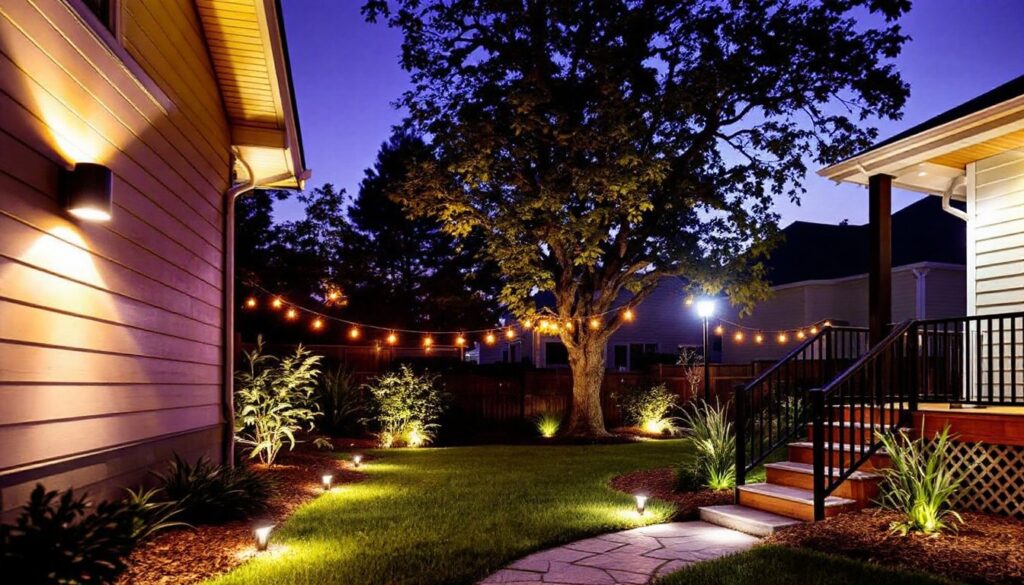
ToggleOutdoor wall lighting does more than help you find your keys after dark. It defines your home’s curb appeal, increases security, and extends usable outdoor living space well into the evening. Whether you’re mounting sconces beside a front door, flanking a garage, or illuminating a backyard patio, the right fixtures transform how your property looks and functions. In 2026, LED technology, smart controls, and weather-resistant finishes have made outdoor wall-mounted lighting more versatile and energy-efficient than ever. This guide walks through everything from fixture types and placement strategy to installation basics and long-term care, so you can tackle the project with confidence.
Key Takeaways
- Outdoor wall lighting enhances safety, security, and curb appeal while extending usable outdoor living space into the evening hours.
- Choose wet-rated fixtures with durable materials like aluminum or stainless steel to ensure longevity in outdoor environments.
- Proper placement matters: mount entry sconces 66–72 inches above the door, space pathway lights every 8–10 feet, and select fixture sizes based on architectural scale.
- LED outdoor wall lighting offers energy efficiency and long lifespan (25,000–50,000 hours), with options for smart controls and motion-sensing for added security.
- Always shut off power at the breaker and use a voltage tester before installation; new outdoor circuits typically require permits and professional inspection in most jurisdictions.
- Maintain fixtures twice yearly by cleaning with mild soap and microfiber cloth, and inspect weatherproof seals annually to prevent moisture damage.
Why Outdoor Wall Lighting Matters for Your Home
Safety is the first reason most homeowners upgrade outdoor wall lighting fixtures. Poorly lit steps, thresholds, and pathways are trip hazards, and a dark entryway invites accidents, or unwelcome visitors. Wall-mounted fixtures cast light where it’s needed most, eliminating shadows and improving visibility.
Security follows closely. Motion-activated LED outdoor wall lighting deters intruders and gives you advance notice when someone approaches your door. Studies on home security consistently show that well-lit exteriors reduce break-in risk.
Curb appeal is the aesthetic payoff. The right sconces or lanterns highlight architectural details, frame doorways, and add depth to flat facades. A thoughtfully lit exterior signals that the home is cared for, which matters whether you’re hosting guests or listing the property.
Finally, functionality extends outdoor living hours. Wall lights beside garage doors, patios, and outdoor kitchens make evening tasks safer and more enjoyable. Paired with other lighting fixtures inside, they create a cohesive transition from interior to exterior spaces.
Types of Outdoor Wall Lights and Their Best Uses
Sconces are the most common wall outdoor lighting style. They mount flush or on an arm, typically beside entry doors or along covered porches. Choose downward-facing sconces to minimize glare and reduce light pollution: upward-facing models work well under eaves to wash walls with indirect light.
Lanterns deliver classic or traditional curb appeal. Available in post-mount or bracket styles, they pair well with Colonial, Craftsman, and farmhouse architecture. Many modern outdoor wall lighting ideas incorporate lantern silhouettes with LED outdoor wall lighting modules and matte-black or bronze finishes for a fresh take on heritage design.
Flush-mount and semi-flush fixtures sit tight against the wall, ideal for low-clearance areas like narrow walkways or porch ceilings. They’re compact but still provide adequate task lighting for doorways and service entries.
Cylinder and pillar lights offer a contemporary look. Often specified for mid-century modern or minimalist homes, these fixtures cast bidirectional light, up and down, to create dramatic wall grazing. According to Southern Living, architectural lighting techniques like wall washing have become a signature of modern porch design in the Southeast.
Large outdoor lighting fixtures, sometimes called coach lights or oversized lanterns, make a statement on two-story foyers, beside double garage doors, or flanking grand entryways. Scale matters: an 18–24-inch fixture suits a standard single door, while entries taller than eight feet benefit from fixtures in the 24–36-inch range.
Choosing the Right Placement for Maximum Impact
Entry doors are the priority. Mount one wall mount outdoor lighting fixture on each side of the door, centered at roughly 66–72 inches above the threshold (or one-third the door height from the top). If the doorway is wide or the architecture asymmetric, a single large fixture offset to the latch side also works.
For garage doors, place wall-mounted fixtures centered above each door or flanking a shared header. If the garage faces the street, this lighting doubles as a wayfinding beacon for visitors and delivery drivers.
Patio and deck walls benefit from evenly spaced sconces or pillar lights every 8–10 feet to maintain consistent illumination. Tie these into a dimmer or smart switch so you can adjust brightness for dining versus entertaining.
Pathways and steps adjacent to walls call for downward-facing fixtures mounted at riser height or just above. This prevents glare while highlighting changes in elevation, a key code consideration under IRC egress-lighting requirements, which vary by jurisdiction but often mandate minimum illumination levels near stairs.
Integrate your outdoor design ideas by considering sightlines from inside the home. Fixtures visible through windows should complement interior style and color temperature to avoid visual discord.
Key Features to Consider When Selecting Outdoor Wall Fixtures
Wet-location rating is non-negotiable for any outdoor wall mounted lighting. Look for fixtures labeled “wet-rated” or “wet-location” per UL 1598 standards if they’ll be exposed to rain, snow, or sprinkler spray. Damp-rated fixtures work under covered porches but will fail if directly exposed to moisture.
Material and finish determine longevity. Aluminum, stainless steel, and powder-coated steel resist rust better than untreated iron or low-grade plastics. Coastal climates demand marine-grade finishes: expect to pay more, but the fixture will outlast cheaper alternatives by years.
Light source and color temperature have shifted decisively toward LED. Integrated LED modules (built into the fixture) last 25,000–50,000 hours and eliminate bulb changes, but they can’t be upgraded. Replaceable LED bulb sockets offer flexibility if you want to shift from 2700K warm white to 3000K neutral white down the line. For context, warm white mimics incandescent and suits traditional homes, while neutral white provides crisper visibility for modern outdoor wall lighting ideas.
Lumens and beam angle define coverage. A typical entry sconce should deliver 600–900 lumens for adequate task lighting. Wider beam angles (90–120°) flood an area: narrow beams (30–60°) create accent lighting. For outdoor mounted lighting along pathways, choose fixtures with shielded optics to reduce spill light and glare.
Control options range from basic switches to photocells, timers, motion sensors, and smart-home integration. Motion-sensing outdoor wall lighting LED fixtures save energy and add security: combine them with manual override switches for full control. Designers at Hunker note that smart bulbs and fixtures compatible with voice assistants have become standard in new construction and renovation projects.
Durability certifications include impact resistance (IK ratings) for high-traffic or vandalism-prone areas, and dark-sky compliance (IDA or DarkSky fixtures) if you live in a community with light-pollution ordinances.
Installation Tips for DIY Homeowners
Always shut off power at the breaker before opening any existing fixture or junction box. Use a non-contact voltage tester to confirm the circuit is dead, this is not optional.
Most wall outdoor lighting installations tie into an existing junction box. If you’re adding a new fixture where none existed, you’ll need to run 14/2 or 12/2 NM-B (Romex) cable from a nearby switch or junction box, following NEC Article 300 for outdoor wiring methods. In many jurisdictions, running new circuits outdoors requires a permit and inspection, check with your local building department before drilling.
Mounting to structure matters. Locate a stud or solid backing with a stud finder: exterior walls are typically framed with 2×4 or 2×6 lumber on 16-inch centers. If you must mount between studs, use toggle bolts rated for the fixture’s weight plus a safety margin. Large outdoor lighting fixtures can weigh 5–15 pounds or more.
Weatherproofing connections is critical. Use waterproof wire nuts or heat-shrink connectors inside the junction box, and seal the box edges with silicone caulk rated for outdoor use. Many modern fixtures include a foam gasket that sits between the mounting plate and the wall: if yours doesn’t, add a bead of caulk.
Wire connections follow standard color codes: black (hot) to black, white (neutral) to white, bare copper or green (ground) to green or bare. If the fixture includes a ground screw on the mounting bracket, attach the ground wire there.
Smart or motion-sensing fixtures may require a neutral wire at the switch box. Older homes often lack neutrals in switch boxes, so verify wire availability before purchasing smart-enabled wall mount outdoor lighting. If you’re comfortable working with low-voltage control wiring, retrofitting is possible: otherwise, hire an electrician.
Leveling and alignment improve the finished look. Use a torpedo level to ensure sconces sit plumb, and measure carefully if installing pairs, mismatched heights are immediately obvious. Mark pilot holes with a pencil, then drill with a masonry bit (for brick or stucco) or a wood bit (for siding).
Safety gear: Wear safety glasses, especially when drilling overhead, and use a sturdy ladder with a helper to steady it. If you’re working above the second story or lack experience with electrical work, this is a job for a licensed electrician.
Maintenance and Troubleshooting Your Outdoor Wall Lights
Clean fixtures twice a year, spring and fall, to remove pollen, dirt, and insect nests. Use a damp microfiber cloth and mild soap: avoid abrasive cleaners that scratch protective coatings. For glass or acrylic lenses, a 50/50 vinegar-water solution cuts through hard-water deposits.
Check weatherproof seals annually. Caulk and gaskets degrade over time, letting moisture into junction boxes. Re-caulk around the mounting plate if you see cracks or gaps. If water has entered the box, shut off power, dry it thoroughly, and inspect for corrosion on wire connections.
LED lifespan is long but not infinite. Integrated modules dim gradually: if output drops noticeably or the color shifts, replacement is the only fix. For fixtures with replaceable bulbs, keep spares on hand and note the wattage equivalent and base type (E26 medium base is standard).
Motion sensors can become overly sensitive or fail to trigger. Most have adjustable sensitivity and timer dials, consult the manual to recalibrate. Spiderwebs or debris on the sensor lens cause false triggers: clean it gently with a dry cloth.
Flickering or intermittent operation usually points to a loose wire connection, a failing photocell, or incompatible dimmer switches. LED fixtures require LED-compatible dimmers: older incandescent dimmers cause flicker and can shorten LED life. If you’ve ruled out connection issues and the problem persists, replace the dimmer or switch.
Corroded fixtures in coastal or high-humidity climates may need early replacement. Once corrosion penetrates the finish, it accelerates. Applying a thin coat of car wax to metal surfaces can slow oxidation, but it’s a temporary measure.
For homeowners exploring broader outdoor house decor projects, lighting maintenance often overlaps with seasonal tasks like gutter cleaning and exterior painting, bundle them for efficiency.
Conclusion
Outdoor wall lighting is one of the most practical upgrades a homeowner can tackle. It improves safety, boosts security, and transforms curb appeal, all while remaining accessible to confident DIYers. Focus on wet-rated fixtures, proper placement, and solid mounting techniques, and you’ll enjoy years of reliable performance. Whether you’re swapping out dated lanterns for sleek LED sconces or adding motion-activated lights to a dark walkway, the payoff in function and aesthetics is immediate.