Many people think lighting is just about illumination, but let’s face it: a well-placed light can transform a room faster than you can say “home improvement.” Enter recessed lighting housing, the unsung hero in the world of lighting design. Not only does it keep your light fixtures discreetly tucked away, but it also adds a sleek touch to any space. Ready to jump into the world of recessed lighting? Buckle up.
What Is Recessed Lighting Housing?
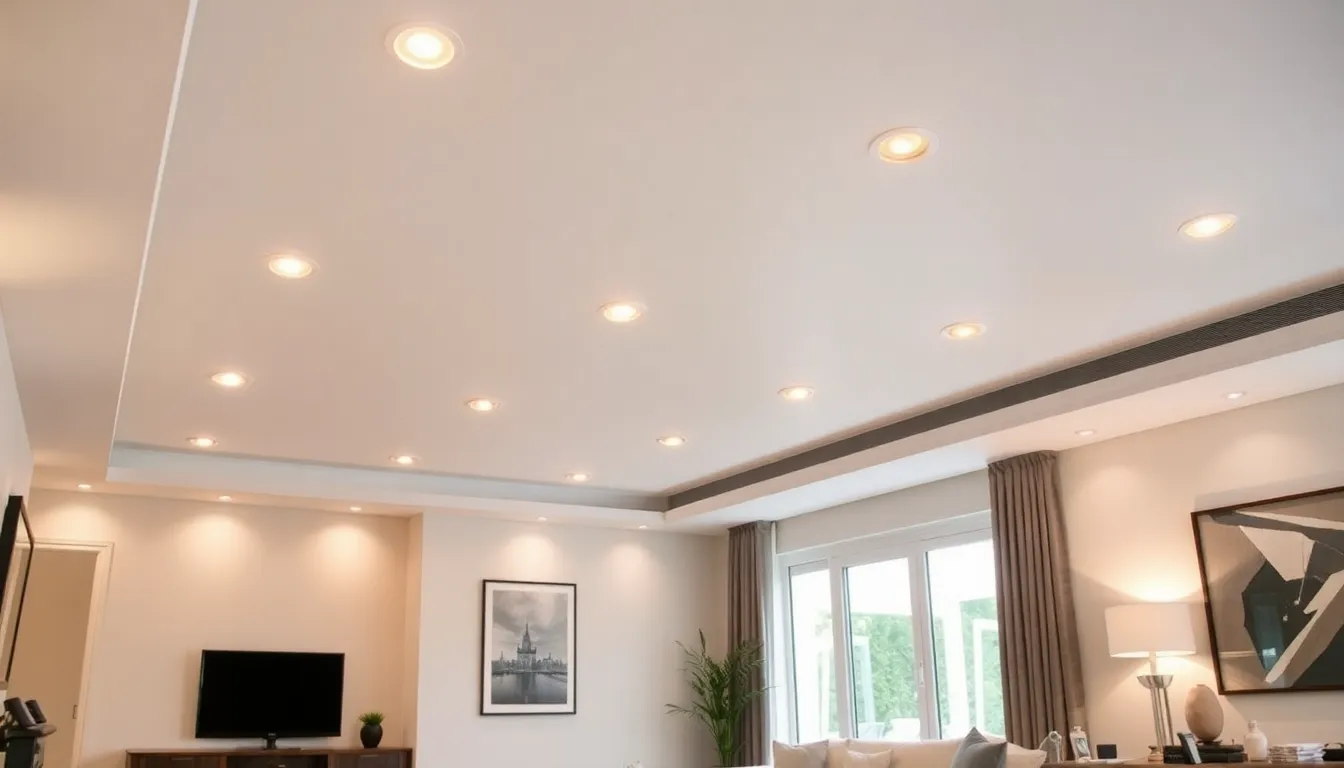
Recessed lighting housing, often dramatized in the world of interior design, refers to the fixture that holds the light source in place. Often referred to as “can lights,” these housings are installed above the ceiling line, creating a clean, streamlined look. What sets recessed lighting apart is not just its appearance: it’s about functionality. This setup allows for minimal disruption in the ceiling design while maximizing overall brightness in a space.
The housing itself is typically made of metal or thermoplastic and is designed to securely house the light bulb and wiring to ensure safety and efficiency. As light escapes only through the trim, the housing stays out of sight, offering a flood of illumination without the bulky clutter of traditional fixtures. Who knew that a small canister could hold such power in transforming ambiance?
Types of Recessed Lighting Housings
When it comes to recessed lighting housings, variety is the spice of life. Each type serves its unique purpose and is tailored for specific needs. Here’s a breakdown of the most common types:
New Construction Housings
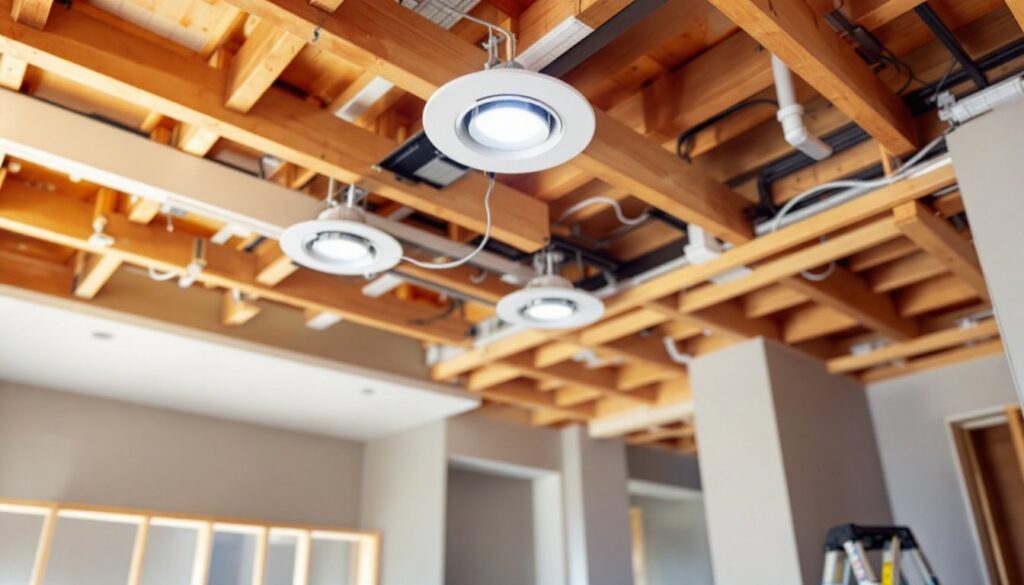
These housings are designed for new builds or major renovations. They are installed before the drywall goes up, making it much easier to ensure that the placement is just right.
Remodel Housings
This option comes into play when you want to upgrade your existing lighting without tearing down walls. Remodel housings fit into existing ceilings and are perfect for retrofitting, allowing homeowners to discover hidden potential without significant renovations.
IC (Insulation Contact) Housings
As the name suggests, these allow for direct contact with insulation, making them ideal for energy-efficient designs where heat retention is key. They help keep the home warm while avoiding fire hazards.
Non-IC Housings
In contrast, non-IC housings are used when insulation will not come into contact with the fixture. They’re perfect for areas where insulation is not a concern, such as in attics or areas that aren’t heavily insulated.
Airtight Housings
More and more homeowners are prioritizing energy efficiency, and airtight housings help accomplish that. They prevent air from leaking out through the housing, making them ideal for energy-conscious households.
With so many options, one can easily get lost in the details. But understanding each type allows for an informed choice when illuminating a space.
Choosing the Right Recessed Lighting Housing
Selecting the right recessed lighting housing feels a bit like matchmaking. It’s all about compatibility and making sure your needs align with the available options. Here are a few key factors to consider:
Room Functionality
What’s the vibe you’re going for? Living rooms might need warm, inviting light, while kitchens often require bright, task-oriented lighting. Understanding the purpose helps narrow down the choices.
Ceiling Height
Higher ceilings can accommodate deeper canisters for better light spread, while lower ceilings may benefit from shallow housings to avoid overwhelming the space.
Retrofit vs. New Installation
Are you planning a renovation or just looking to upgrade? This choice influences whether you go for new construction or remodel housings.
Energy Efficiency
Choosing energy-efficient options like LED fixtures not only saves on electricity bills but also enhances the lifetime of the housing.
Aesthetics
Finally, consider the trim and finish. There are various styles available, and selecting the right one ensures that the fixtures blend seamlessly with your overall design.
Taking all these factors into account helps ensure a smooth selection process.
Installation of Recessed Lighting Housing
Installing recessed lighting housing is not just a DIY project, it’s an art. While it can seem daunting, with the right steps and precautions, one can achieve a stunning result.
Tools Required
Before diving in, gather the necessary tools: a drill, drywall saw, electrical wiring tools, and a stud finder. Not the most glamorous, but preparedness is key.
Planning the Layout
Begin by sketching out where each housing will go, ensuring to avoid joists and electrical wires. Pencil marks on the ceiling can help serve as guides during installation.
Cutting the Holes
Using a drywall saw, carefully cut out the holes based on your planned layout. Take your time here, precision brings success.
Wiring
Next comes the wiring. Proper electrical work ensures safety and functionality. If you’re uncertain, consulting a licensed electrician can save a lot of headaches later.
Installing the Housings
Once the wiring is in place, it’s time to fit the housings into the ceiling openings. Follow the manufacturer’s instructions for securing them properly. Clamps or screws are often staples in this process.
Adding the Trim and Bulbs
Once the housing is in place, attach the trim and insert the bulbs. Voila. It’s showtime, flip the switch and admire the quality of your handiwork.
Advantages of Recessed Lighting Housing
Recessed lighting housing offers a plethora of benefits that often make it the go-to choice for modern lighting designs. Here are a few standout advantages:
Space-Efficient
By design, recessed lighting doesn’t take up any visible space, allowing the room to feel larger and more open. Perfect for smaller rooms or areas with unique layouts.
Versatility
Recessed lighting can adapt to any aesthetic, whether it’s a cozy farmhouse vibe, contemporary chic, or sleek minimalist. It’s the chameleon of lighting.
Mood Setting
Different bulbs and dimmers can create various atmospheres, allowing homeowners to cater lighting to match the mood perfectly.
Enhanced Safety
With nothing hanging down, these fixtures reduce the risk of bumping your head or getting tangled in an overhead fixture.
Improved Visibility
They offer optimal light spread, effectively illuminating a space without harsh shadows, ensuring safety and comfort throughout the area.
To conclude, the benefits of recessed lighting housing are vast, making it a wise choice for many interior spaces.
Common Mistakes to Avoid
When embarking on a recessed lighting project, there are several common pitfalls to steer clear of.
Over-Lighting
Too many fixtures can create a harsh, clinical feel rather than a cozy ambiance. It’s essential to achieve balance for the best impact.
Neglecting Electrical Codes
Always consider local codes and safety standards when installing recessed lighting. Ignoring these can lead to issues down the road, sometimes even costly repairs.
Misjudging Spacing
Spacing of fixtures is crucial. Wrongly spaced lights can lead to uneven lighting, creating unwanted shadows and diminishing the intended effect.
Forgetting Dimming Options
In a world where control over ambiance is prized, neglecting to install dimmers might mean missing out on the chance to set the mood perfectly.
DIY Gone Wrong
While DIY can be fun and cost-effective, sometimes calling in a professional makes more sense. It ensures the best outcome and safety.
Avoiding these common mistakes can help ensure that your recessed lighting project goes off without a hitch.